6 Inspiring Examples of Wedding Playlists for Couples
- Wix Team legend
- 3 days ago
- 13 min read

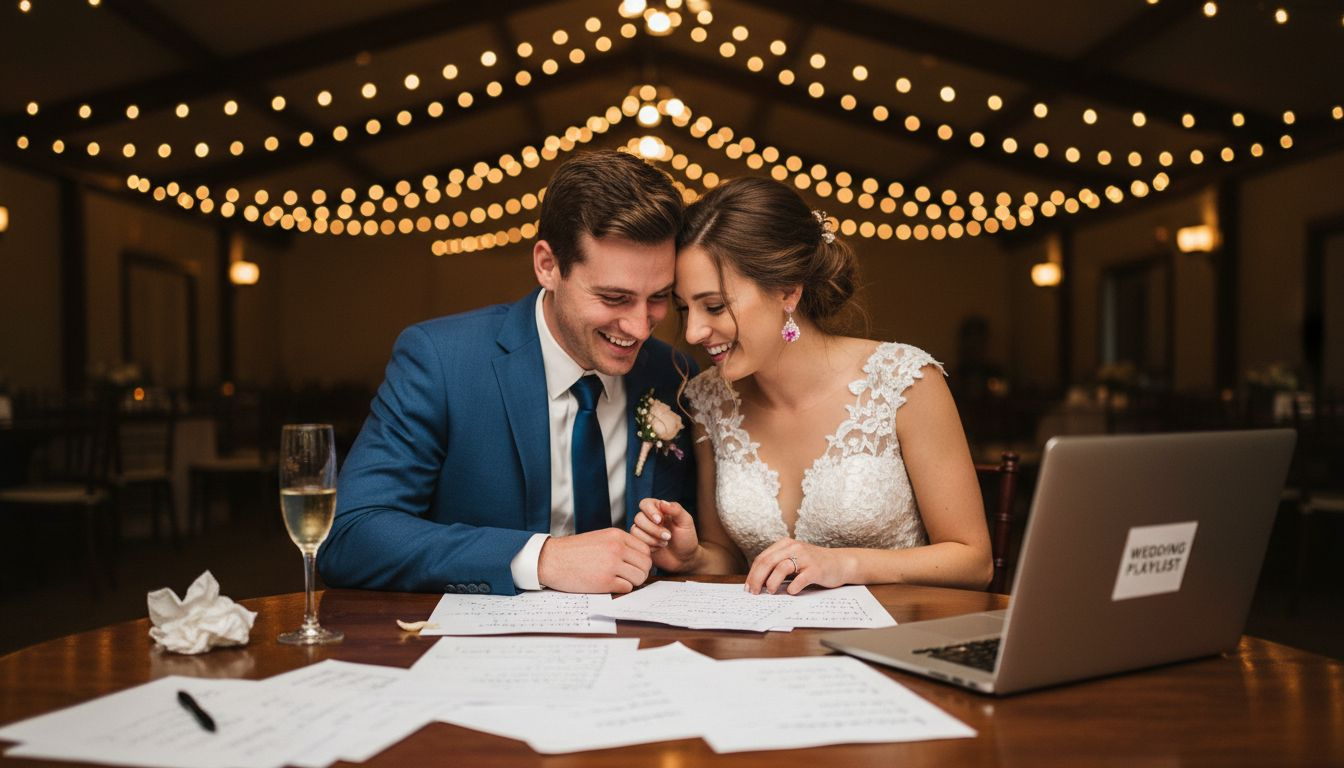
Planning your Texas wedding playlists can feel overwhelming when every moment needs its own musical mood. You want ceremony music that feels magical, cocktail hour tunes that spark conversation, and dinner songs that help guests unwind—all without the stress of guessing what works best. Sound choices set the atmosphere, but it’s hard to know where to start or how to organize the different phases of your celebration.
The good news is that music has proven power to enhance romantic connection and create unforgettable memories on your big day. By choosing the right playlist for each part of your wedding, you’ll craft a unique experience that resonates with you, your partner, and your guests alike.
Get ready to discover practical ideas and expert tips for curating playlists from your ceremony through the last dance. This list will guide you step-by-step to emotional moments, lively energy, and a seamless flow from start to finish.
Table of Contents
Quick Summary
Takeaway | Explanation |
1. Choose meaningful ceremony music | Select songs that enhance emotional connections during your ceremony, making moments unforgettable. |
2. Balance energy during cocktail hour | Use upbeat yet sophisticated songs to foster mingling and maintain a celebratory mood. |
3. Select soft dinner music | Choose instrumental tracks that support conversation and feel present without being intrusive. |
4. Make your first dance special | Pick a song that reflects your relationship and resonates emotionally; it should be personal, not just trendy. |
5. Plan a memorable last song | Choose an upbeat track for your final song that leaves guests feeling joyful as they depart. |
1. Romantic Ceremony Playlist Ideas for Magical Moments
Your ceremony music sets the emotional tone for your entire wedding day. The right playlist transforms ordinary moments into ones you’ll remember forever.
The music you choose during your ceremony does more than fill silence. Romantic music during ceremonies fosters connection between you and your partner, enhancing feelings of intimacy and making the experience deeply memorable. This isn’t just nice to have—it’s transformative.
Carefully selected ceremony music creates emotional resonance that lingers long after the event ends.
Think about the different moments in your ceremony that need distinct musical support:
Processional as guests arrive and take their seats
Entrance of the wedding party and bridesmaids
Your grand entrance or first look reveal
Exchange of vows and rings
Recessional as you exit as a married couple
Each moment deserves its own emotional flavor. A gentle, flowing piece during your vows feels different from an uplifting recessional that celebrates your new marriage.
For Texas couples planning outdoor ceremonies, consider how sound travels in your venue. Wind and open spaces affect how music carries, so choose pieces with strong, clear instrumentation rather than delicate whispers.
Vocal pieces add emotional depth, but instrumental versions often work better during spoken vows—your words shouldn’t compete with singing. Strings, piano, and acoustic arrangements create warmth without overwhelming dialogue.
Planning your ceremony music involves selecting pieces that reflect your personality while honoring tradition. Classic choices include Pachelbel’s Canon, Vivaldi’s Spring, or Debussy’s Clair de Lune, but don’t feel locked into expectations. Your favorite song, reorchestrated by a string quartet, might be perfect.
Timing matters tremendously. Work with your DJ or musician to practice transitions between pieces. Nothing disrupts magic faster than awkward silence or abrupt volume changes.
Pro tip: Create a cue sheet with specific moments labeled (“Bride enters,” “Exchange rings,” “Recessional begins”) and share it with your DJ at least two weeks before the wedding so everything flows seamlessly.
2. Upbeat Cocktail Hour Playlists to Set the Mood
Cocktail hour happens between your ceremony and reception—this is when your guests relax, grab drinks, and start celebrating. Your music during this window sets the energy for everything that follows.
The goal is sophisticated yet energetic. You want music that encourages mingling without demanding attention, creating a lively backdrop that feels intentional rather than random background noise.
Upbeat cocktail hour music strikes the perfect balance between conversation-friendly and celebration-ready.
You’ll want to mix songs with infectious grooves that lift mood without overpowering conversation. Think tracks that make people smile and tap their feet, not ones that demand they stop talking to listen.
The playlist prompts that work best include:
Songs from the 1960s through today across multiple genres
Upbeat jazz and soul standards that feel timeless
Modern pop and R&B tracks with positive energy
Light funk and disco numbers that inspire movement
Feel-good indie and alternative songs with infectious hooks
For Texas weddings, consider your guest demographics carefully. A multigenerational crowd needs upbeat songs that span decades so everyone feels the energy. Younger guests connect with current hits, while older guests appreciate familiar classics.
Timing is crucial during cocktail hour. You’ll typically have 45 to 90 minutes to fill, which means roughly 20 to 35 songs depending on average track length. Build momentum gradually—start slightly mellow and increase energy as the hour progresses.
Avoid anything too slow or melancholic. This isn’t the moment for breakup ballads or sad love songs. You’re creating momentum toward your reception, so keep everything forward-moving and positive.
If you’re working with a DJ, they understand how to layer songs strategically for maximum impact and can read your guests’ energy in real time. They’ll adjust volume and transitions to maintain flow without jarring shifts.
Think about your venue too. Outdoor spaces in Texas heat might call for slightly higher energy to combat the temperature. Indoor venues with good acoustics can support more nuanced song choices.
Pro tip: Ask your DJ to play 2-3 specific songs that mean something to you during cocktail hour, then let them fill the rest with music that matches your requested vibe and keeps guests engaged.
3. Dinner Playlist Examples for a Relaxed Atmosphere
Dinner is when your guests finally sit down, eat, and truly connect. The music during this course should fade into the background, supporting conversation rather than demanding attention.
The right dinner playlist creates sophisticated ambiance without distraction. You want music with mellow rhythms, soulful vocals, and soft melodies that help guests unwind while enjoying their meal.
Dinner music should be felt, not heard—it enhances the experience without interrupting meaningful moments.
Instrumental music works beautifully for wedding dinners. It provides emotional richness without lyrics competing with conversation, allowing guests to focus on food, company, and celebration.
Consider these musical styles for your dinner hour:
Instrumental jazz with smooth, unhurried pacing
Classical pieces arranged for contemporary settings
Acoustic singer-songwriter tracks with subdued arrangements
Soft soul and R&B with soulful vocal textures
Light folk and indie music with gentle instrumentation
Contemporary instrumental composers and ambient artists
Texas wedding venues vary greatly—a ranch ballroom needs different energy than an urban loft. Acoustic venues benefit from lighter arrangements that won’t echo, while larger spaces can handle richer orchestration.
Instrumental jazz playlists curated for restaurants provide exactly the sophisticated atmosphere you need. These selections establish elegance without overshadowing dinner conversation, proven to work in real dining settings.
Volume control is essential during dinner. Your DJ should keep music at conversation level—guests shouldn’t raise their voices to chat comfortably. This typically means 40 to 50 decibels, noticeably quieter than cocktail hour.
Timing matters too. Dinner typically lasts 45 to 75 minutes depending on your service style. Slower paced songs work better here than during earlier celebrations.
Avoid songs with jarring transitions, sudden volume spikes, or demanding beats. Save upbeat tracks for later in the evening when you want to move guests toward dancing.
You might also mix in songs with mellow rhythms and soft melodies that feel personal to you as a couple, creating intimate moments even in a crowded room.
Pro tip: Request a dinner playlist that builds slightly in energy over 60 to 90 minutes, starting very soft as guests settle in and gradually warming as the course progresses, naturally transitioning toward dessert and dancing.
4. First Dance Playlist Examples for Every Couple
Your first dance is the moment everyone watches. This is your song, your story, your moment of pure connection as a married couple before the celebration fully opens.
Choosing the right first dance song means selecting something that resonates personally with your relationship. It’s not about what’s trendy or what everyone expects—it’s about what feels true to you as a couple.
Your first dance song should tell your story in three to four minutes, creating a memory you’ll replay forever.
Many couples overthink this decision. You might worry about tempo, length, or whether the song is “traditional enough.” Forget those constraints. The best first dance songs are ones that make you both smile and feel genuine emotion.
Consider what draws you to a particular song:
Lyrics that describe your relationship or journey together
A melody that reminds you of meaningful moments
An era or genre that defines your shared taste
A song playing during an important memory in your relationship
An artist you both love, even if it’s unconventional
Songs work across all genres for first dances. Classic ballads have their place, but so do uptempo funk numbers, jazz standards, country songs, or modern pop tracks. What matters is emotional connection, not category.
You might also explore diverse musical styles and dance duets that showcase varied approaches to movement and musicality, inspiring couples to think beyond traditional slow dances.
Song length typically runs three to five minutes. If your choice exceeds five minutes, discuss with your DJ about editing or fading at a natural point—guests can participate in the last minute or two if desired.
Practice matters more than people realize. Learn basic steps together if you’re nervous. Your DJ can cue the music perfectly if you clearly communicate when to start, fade, and finish.
Texas venues often have excellent sound systems. Test your song choice in your actual venue if possible to confirm it sounds exactly as you imagined.
Think about fresh dance floor music choices that complement your first dance selection, ensuring seamless energy transitions into full reception dancing.
Pro tip: Choose your first dance song at least two months before the wedding, share it with your DJ immediately, and have a backup choice ready in case technical issues arise on the day.
5. Reception Dance Floor Playlists for Maximum Fun
Once dinner ends, it’s time to move your guests from their seats to the dance floor. This is when your music strategy shifts from background ambiance to pure energy and celebration.
A great dance floor playlist keeps everyone moving, whether they’re seasoned dancers or reluctant wallflowers. The key is mixing generations and genres strategically so nobody feels left out.
The most successful dance playlists balance crowd-pleasers with personal touches, building energy gradually throughout the night.
You’re working with roughly two to three hours of dance time, depending on your reception length. That’s about 40 to 50 songs to fill, so careful curation makes a huge difference.
Start by understanding what gets people moving. Top requested wedding dance songs span the last five decades and include timeless classics alongside modern hits. These songs work because they’re familiar, energetic, and universally appreciated.
Build your playlist in layers:
Opening songs (moderately upbeat, inviting people to join)
Building energy tracks (increasing tempo and recognition)
Peak party songs (your biggest crowd-pleasers)
Mix-in moments (slower songs for catching breath)
Closing songs (high energy to finish strong)
Don’t ignore regional preferences. Texas crowds often appreciate country tracks alongside classic pop and R&B. A well-balanced playlist acknowledges your guest list’s tastes while introducing fresh choices they might not expect.
Tempo variation prevents fatigue. Four consecutive high-energy songs exhaust dancers. Alternate between uptempo tracks and moderate-pace songs that feel fun without demanding constant movement.
Include songs from multiple eras. Your grandmother-in-law wants to hear classics from her youth. Your cousins want current hits. A smart playlist satisfies both without feeling scattered.
Consider working with a professional DJ who understands reception flow and can read your guests’ energy in real time, adjusting the playlist on the fly rather than following a rigid predetermined list.
Request songs strategically. You might block out three to five personal song requests from immediate family, leaving your DJ flexibility to react to what’s actually working on your dance floor that night.
Avoid songs with lyrics or themes that might awkwardly reference exes, breakups, or uncomfortable topics. This seems obvious but happens regularly when guests request songs without thinking through context.
Pro tip: Start with moderate energy, build gradually over the first hour, hit your peak songs during the second hour when maximum guests are present, then manage energy carefully in the final hour based on who’s still dancing.
6. Last Song Playlist Ideas to End the Night Perfectly
Your last song is the final memory guests take home. This moment deserves as much thought as your first dance, because it’s the emotional bow on your entire celebration.
The final song should create lasting emotional impact without making anyone sad or wishing the night had ended differently. You’re wrapping up joy, not closing a chapter with regret.
The perfect last song brings everyone together one final time, leaving your guests smiling as they head toward the exit.
Timing matters here. Most receptions end between 11 PM and midnight, so you’ll announce the final song roughly 15 to 30 minutes before departure. This gives dancers time to finish strong and guests time to say goodbye.
Choose songs that inspire celebration and joy as you close the event. The mood should feel triumphant rather than melancholic, energetic rather than winding down.
Consider these qualities for your last song:
Upbeat tempo that keeps energy high
Universally recognized or meaningful to your story
Length between three and four minutes
Lyrics that feel positive and forward-looking
Music that encourages group participation or movement
A song that doesn’t feel like an ending, but a transition to new beginnings
Many couples select songs that reference new beginnings, love, or dancing into the future. Others choose fun, recognizable tracks that guarantee a full dance floor for the finale.
You might draw inspiration from songs that foster celebration and joyful moods suitable for ending moments on positive notes with emotional resonance.
Texas wedding culture often embraces country tracks, upbeat pop songs, or classic rock numbers for final dances. Your choice should reflect what excites your specific crowd.
Alternatively, consider selecting songs with thematic emotions that create meaningful closure while leaving your guests energized rather than exhausted.
Communicate clearly with your DJ about timing. Let them know approximately when you want the final song announced, whether you want a countdown or surprise moment, and if you’d like any special lighting or effects during this final dance.
Some couples play two back-to-back songs to extend the finale. If you choose this approach, make sure the first bridges naturally into the second without awkward silence.
Pro tip: Select your last song at least one month before the wedding, communicate it clearly to your DJ, and consider having a brief moment of silence before it starts so guests recognize something special is happening.
Below is a comprehensive table summarizing key considerations and strategies for selecting and planning musical elements throughout a wedding event.
Wedding Moment | Music Selection Guidelines | Key Considerations |
Romantic Ceremony | Choose emotionally resonant pieces for each stage (e.g., processional, vows, recessional); consider instrumental arrangements during vows. | Venue acoustics and timing transitions enhance the experience. |
Cocktail Hour | Select upbeat yet conversation-friendly music; include various genres spanning decades for diversity. | Aim for optimal energy progression and guest demographic satisfaction. |
Dinner | Focus on instrumentals and melodious tunes to maintain a relaxed, sophisticated atmosphere. | Adopt suitable volume settings for conversation and venue size.' |
First Dance | Pick a song that personally resonates; practice for better confidence and presentation. | Test the sound quality in your venue and ensure DJ coordination. |
Reception Dance | Blend crowd-pleasing tracks with personal favorites; utilize energy phases from opening to closing songs. | Satisfy multi-generational preferences to maintain an engaging dance floor. |
Last Song | Choose an uplifting, celebration-appropriate song as a grand finale. | Create a lasting emotional impact with a meaningful and inclusive choice. |
Elevate Every Moment of Your Wedding with Expert DJ Services
Crafting the perfect wedding playlist can feel overwhelming from ceremony music to the last dance song. This article highlights how each part of your day calls for a unique soundtrack that builds emotion and energy naturally. Whether you want romantic tunes during your vows or high-energy hits to fill the dance floor, the challenge is creating seamless transitions and reading your guests’ vibe throughout.
At Urban Space Entertainment, we understand these key moments and offer professional DJ services tailored to your wedding’s unique flow. Our experienced DJs specialize in blending diverse genres and eras thoughtfully so every phase—from your first dance to reception celebrations—is unforgettable. Don’t risk awkward pauses or mismatched atmospheres. Explore our detailed Service Information to find the perfect package that fits your vision. Ready to bring your playlist inspiration to life? Book your DJ now through our easy Book Online system and ensure your wedding soundtrack flows flawlessly.
Frequently Asked Questions
How do I choose the right music for my wedding ceremony?
To choose the right music for your wedding ceremony, consider the emotions you want to evoke during key moments, like your entrance and the exchange of vows. Create a list of songs that resonate with your relationship and discuss it with your DJ or musician at least two months before your wedding to ensure a smooth experience.
What songs should I include in my cocktail hour playlist?
Include upbeat yet sophisticated tracks in your cocktail hour playlist that encourage mingling without overpowering conversation. Aim for a mix of songs from different decades, totaling about 20 to 35 tracks, to cater to a diverse guest list and maintain a lively atmosphere.
What genres work best for the dinner music playlist?
For dinner music, focus on instrumental tracks that provide a smooth ambiance without distracting from conversation. Choose from genres such as jazz, classical, or acoustic singer-songwriter music, and ensure your playlist lasts 45 to 75 minutes, gradually increasing in energy before transitioning to dancing.
How can I make my first dance memorable?
Select a first dance song that personally resonates with you as a couple, whether it’s a ballad or an upbeat track. Share your choice with your DJ at least two months prior, practice your dance moves, and be prepared to communicate cue points for the music during the performance.
What should I consider when planning my reception dance playlist?
When planning your reception dance playlist, include a mix of crowd-pleasing songs from multiple genres and eras to keep everyone engaged. To fill two to three hours, plan for 40 to 50 carefully curated songs, creating layers of energy and pacing throughout the night.
How do I choose the perfect last song for my wedding?
Select a last song that inspires joy and celebration rather than sadness, aiming for a track that’s upbeat and meaningful. Communicate your choice to your DJ at least one month in advance, and consider incorporating a brief moment of silence before it starts to enhance the emotional impact.
Recommended
Comments