Streamline your event entertainment workflow in Texas
- Wix Team legend
- Mar 12
- 7 min read

Managing entertainment logistics for weddings, corporate events, and social gatherings often feels like juggling flaming torches while blindfolded. Delays pile up, details slip through the cracks, and stress mounts as event day approaches. A streamlined workflow transforms this chaos into a smooth, predictable process that saves time and protects your reputation. This guide walks you through proven methods to optimize entertainment workflows specifically for Texas events, from initial planning through post-event analysis.
Table of Contents
Key takeaways
Point | Details |
Software reduces errors | Event management software cuts administrative time by 30% and errors by 20%. |
Technology boosts engagement | Integrated ticketing and mobile apps increase sales and attendee participation significantly. |
Book early | Start entertainment booking 6 to 12 months ahead to secure talent and avoid last-minute scrambles. |
Prepare backups | Thoroughly vet vendors and create contingency plans to handle common disruptions. |
Technical riders save time | Detailed equipment specifications reduce setup time by 25%. |
Preparing your entertainment workflow: essential tools and planning
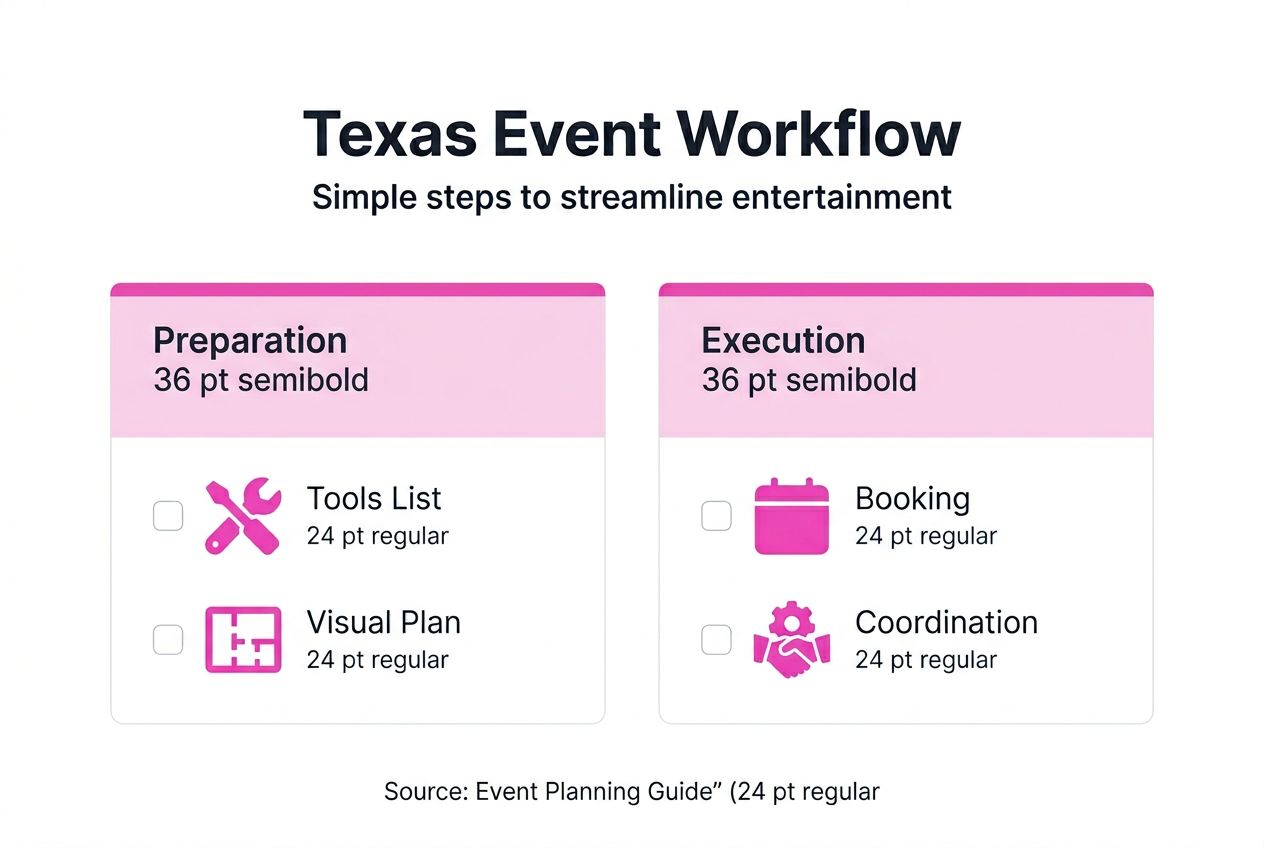
Your entertainment workflow starts long before the first guest arrives. The right digital infrastructure makes the difference between seamless execution and frantic troubleshooting.
Event management software streamlines entertainment logistics, reducing manual effort and errors. These platforms centralize contracts, schedules, and vendor communication in one accessible location. You eliminate the risk of lost emails or conflicting spreadsheets.
Digital contracts and online booking platforms accelerate your timeline. The use of event technology improves entertainment booking efficiency by 15%. Traditional paper-based processes create bottlenecks that digital workflows dissolve instantly.
Essential tools for your workflow include:
Integrated ticketing systems that track sales in real time
Mobile event apps for attendee communication
Customizable registration forms capturing specific preferences
Cloud-based file sharing for contracts and technical riders
Automated reminder systems for payment and deadline tracking
Create a visual entertainment schedule before diving into execution. Map out performance times, equipment needs, and transition periods. This timeline becomes your central reference document that every team member can access.
Pro Tip: Build templates for common event types you handle repeatedly. A wedding entertainment workflow differs from corporate event needs, but both benefit from standardized checklists you customize per client.
Here’s a comparison of manual versus digital workflow efficiency:
Workflow Aspect | Manual Process | Digital Process |
Contract signing | 5 to 7 days | 1 to 2 days |
Schedule updates | Email chains, delays | Instant sync across platforms |
Payment tracking | Spreadsheets, manual entry | Automated reminders and receipts |
Vendor communication | Phone tag, missed messages | Centralized messaging system |
Understanding the complete DJ services booking process helps you set realistic timelines. Breaking down each step reveals where delays typically occur and where automation delivers maximum impact.
Executing the entertainment workflow: booking, scheduling, and coordination
Execution transforms your preparation into tangible results. This phase requires methodical attention to detail and proactive communication.
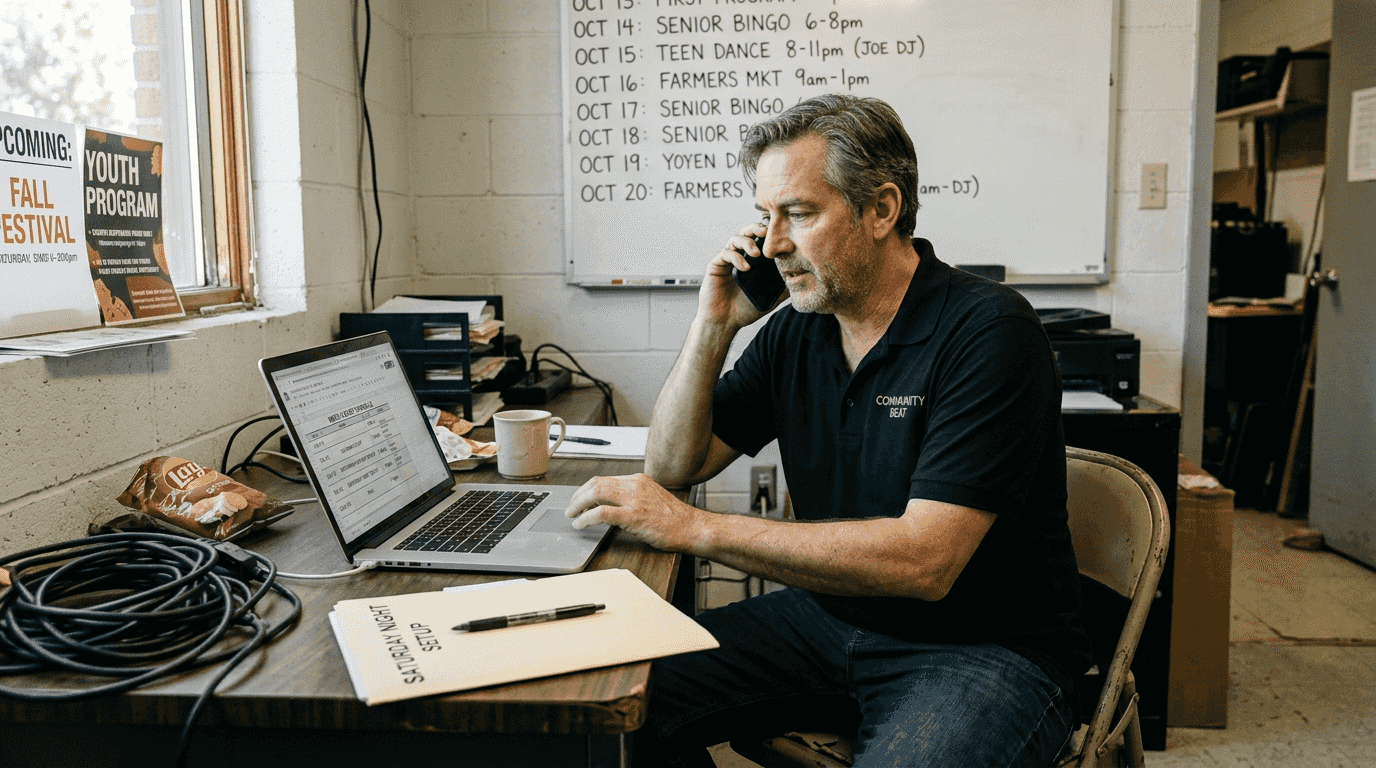
Starting the booking process at least 6 to 12 months in advance for high-profile events secures top talent before competitors snap them up. Premium entertainers book their calendars early, especially during peak wedding and corporate event seasons in Texas.
Follow this proven booking sequence:
Define entertainment requirements based on event goals and audience
Research and shortlist candidates matching your criteria and budget
Request availability and preliminary quotes from top choices
Schedule discovery calls to assess professionalism and fit
Negotiate terms and finalize contracts with clear deliverables
Confirm technical requirements and coordinate logistics details
Master Tour streamlines tour logistics, crew coordination, and real-time communication for complex entertainment setups. This becomes especially valuable when managing multiple performers or multi-day events.
Coordination extends beyond just booking talent. You must synchronize equipment delivery, crew arrival times, soundcheck schedules, and performance slots. Create a master timeline that accounts for:
Load-in and setup windows
Technical rehearsal periods
Performer preparation time
Transition periods between acts
Load-out and breakdown schedules
Pro Tip: Build in 15 to 20 minute buffer periods between scheduled items. These cushions absorb inevitable small delays without cascading into major disruptions.
Clear communication prevents costly misunderstandings. Establish primary contact points for each vendor and document all agreements in writing. Weekly check-ins during the final month keep everyone aligned on expectations.
Effective Texas event entertainment planning requires understanding regional preferences and seasonal considerations. Summer outdoor events need weather contingencies, while holiday season bookings compete with numerous other gatherings.
The relationship between DJs and event flow illustrates why coordination matters so much. Entertainment sets the pace and energy for your entire event. Misaligned timing disrupts guest experience and creates unnecessary stress.
Troubleshooting and optimizing your entertainment workflow
Even perfectly planned workflows encounter unexpected challenges. Preparation for common issues separates amateur planners from seasoned professionals.
75% of event planners report experiencing at least one entertainment-related issue such as artist no-shows or equipment malfunctions. This statistic underscores why backup plans aren’t optional luxuries but essential components of responsible event management.
Common entertainment workflow challenges include:
Last-minute artist cancellations due to illness or conflicts
Equipment failures requiring rapid replacement
Contract disputes over scope or deliverables
Weather disruptions for outdoor performances
Technical compatibility issues between vendor systems
Vendor vetting protects you from many potential problems. Check references thoroughly, read recent reviews, and verify insurance coverage and licensing. Request videos of recent performances to confirm quality matches your expectations.
Your contingency planning should address:
Backup entertainer contacts willing to fill in on short notice
Equipment rental companies offering emergency replacement services
Alternative indoor venues for outdoor events
Flexible timeline adjustments accommodating delays
Using detailed rider reviews and technical specifications can reduce entertainment setup time by 25%. Technical riders document every equipment need, power requirement, and staging specification. This clarity eliminates guesswork and prevents day-of surprises.
“The single biggest predictor of smooth entertainment execution is how thoroughly you document technical requirements upfront. Vague agreements create friction, while specific riders enable seamless collaboration.” - Industry event coordinator
Comparing entertainment formats helps you select the best fit:
Format | Best For | Setup Complexity | Flexibility |
Stationary DJ booth | Weddings, galas | Moderate | Low |
Strolling musicians | Cocktail hours, receptions | Low | High |
Full band setup | Corporate events, large venues | High | Low |
Hybrid digital/live | Modern events, tech-savvy crowds | Moderate | Moderate |
Regularly review your entertainment contingency plans and update contact lists. Vendors change, new options emerge, and your backup strategies should evolve accordingly.
Measuring success and refining your event entertainment workflow
Verification transforms subjective impressions into actionable insights. Measuring workflow effectiveness reveals improvement opportunities you might otherwise overlook.
Integrated ticketing systems can increase ticket sales by 15% and improve financial tracking accuracy by 10%. This data provides concrete evidence of workflow impact on your bottom line.
Track these key performance indicators:
Time from initial inquiry to signed contract
Number of follow-up touchpoints required before booking
Percentage of bookings completed without contract revisions
Day-of timeline adherence rates
Post-event client satisfaction scores
Mobile event apps boost attendee engagement by 25% and reduce inquiries by 20%. When guests access schedules and updates instantly, your team fields fewer repetitive questions and focuses on higher-value interactions.
Gather feedback systematically rather than relying on informal comments. Send structured surveys within 48 hours of event completion while experiences remain fresh. Ask specific questions about entertainment quality, timing, and overall satisfaction.
Pro Tip: Create separate feedback forms for clients and attendees. Client feedback addresses your professional service delivery, while attendee feedback evaluates the entertainment experience itself. Both perspectives matter.
Analyze patterns across multiple events:
Metric | Target | Analysis Frequency |
Contract turnaround time | Under 3 days | Monthly |
Setup completion vs. schedule | Within 15 minutes | Per event |
Client satisfaction score | Above 4.5/5.0 | Quarterly |
Repeat booking rate | Above 40% | Annually |
Identify bottlenecks slowing your workflow. Perhaps contract negotiations consistently take longer than planned, suggesting template improvements would help. Maybe equipment coordination creates recurring stress, indicating a need for preferred vendor relationships.
Effective selection of entertainment depends on understanding what truly resonates with your specific audiences. Generic approaches rarely deliver exceptional results.
Incorporate lessons learned into updated procedures. Document what worked particularly well and what fell short. Your workflow should be a living system that improves with each event you manage.
Enhance your Texas event entertainment with Urban Space Entertainment
Streamlining your entertainment workflow requires expertise, technology, and reliable partnerships. Urban Space Entertainment specializes in seamless event entertainment solutions designed specifically for Texas weddings, corporate functions, and social gatherings.
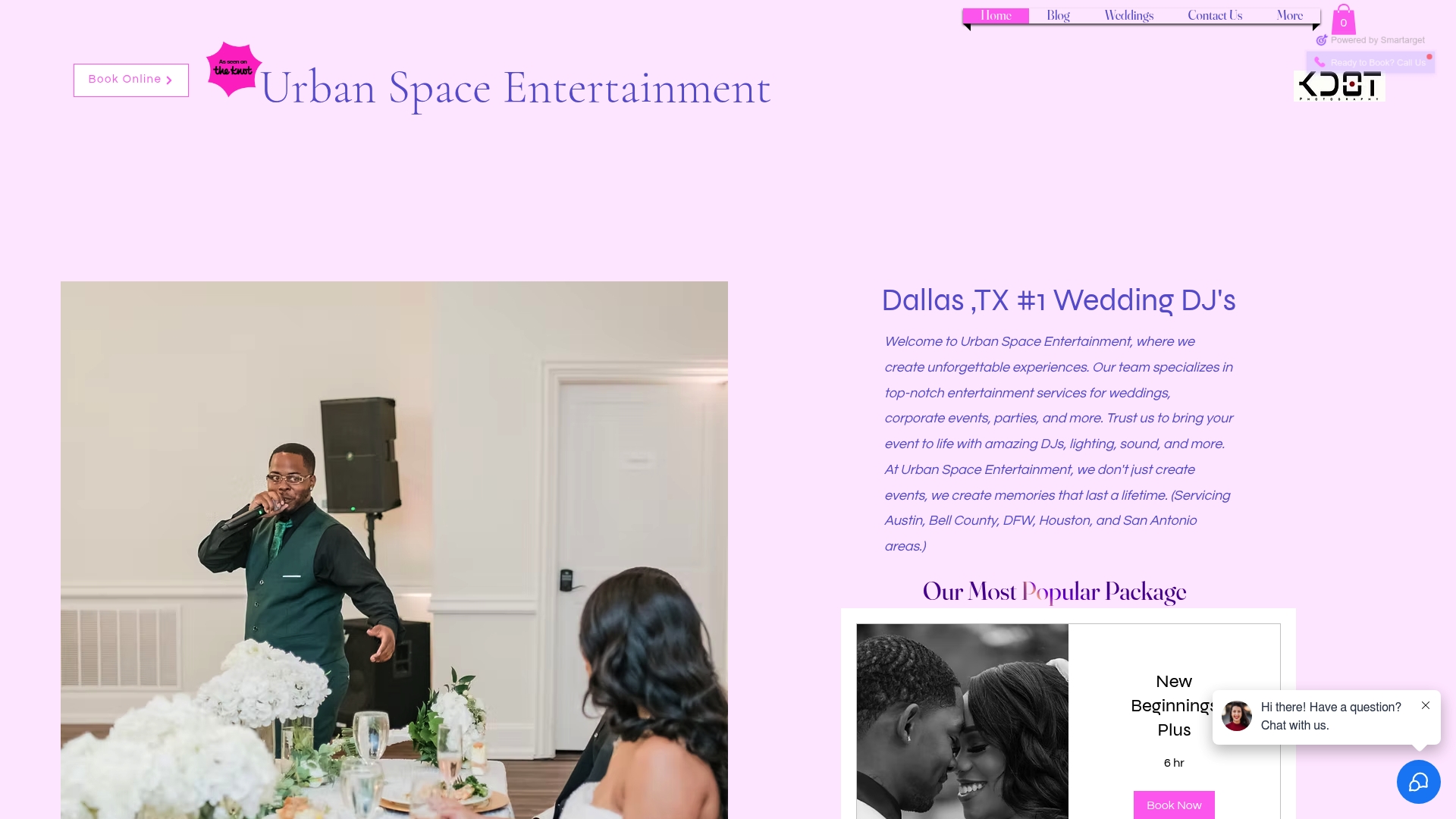
Our team leverages cutting-edge coordination tools and years of experience to eliminate the stress from entertainment logistics. We handle everything from initial consultation through day-of execution, ensuring your events run smoothly while you focus on strategic priorities. Whether you’re planning an intimate wedding or a large corporate gala, our comprehensive entertainment planning approach adapts to your unique needs. Partner with professionals who understand Texas event dynamics and deliver consistently exceptional results.
Frequently asked questions
How can event management software reduce entertainment planning errors?
Software automates scheduling, tracks contract details, and centralizes communication to minimize human mistakes. Manual processes create opportunities for overlooked deadlines or miscommunication, while digital systems maintain consistent accuracy.
What is the ideal timeline for booking entertainment for a corporate event?
Booking at least 6 to 12 months in advance secures top talent and ensures smooth logistics coordination. Last-minute bookings limit your options and often cost more due to reduced availability.
How do detailed technical riders improve event setup?
They provide clear equipment specifications, power requirements, and staging needs that cut setup time by up to 25%. Vague requirements force crews to improvise, creating delays and potential compatibility issues.
Why is contingency planning critical for entertainment workflows?
Because 75% of planners face last-minute issues like equipment failures or artist cancellations, backups prevent disruptions and maintain professionalism. Events without contingency plans risk disappointing clients and damaging reputations.
How do mobile event apps improve attendee experience?
Mobile apps provide real-time schedule updates, reduce repetitive inquiries by 20%, and boost engagement by 25%. Attendees appreciate instant access to information without searching for printed materials or asking staff.
Recommended
Comments