Must-Have DJ Equipment in Texas 2026: Boost Success 30%
- Wix Team legend
- Mar 4
- 12 min read

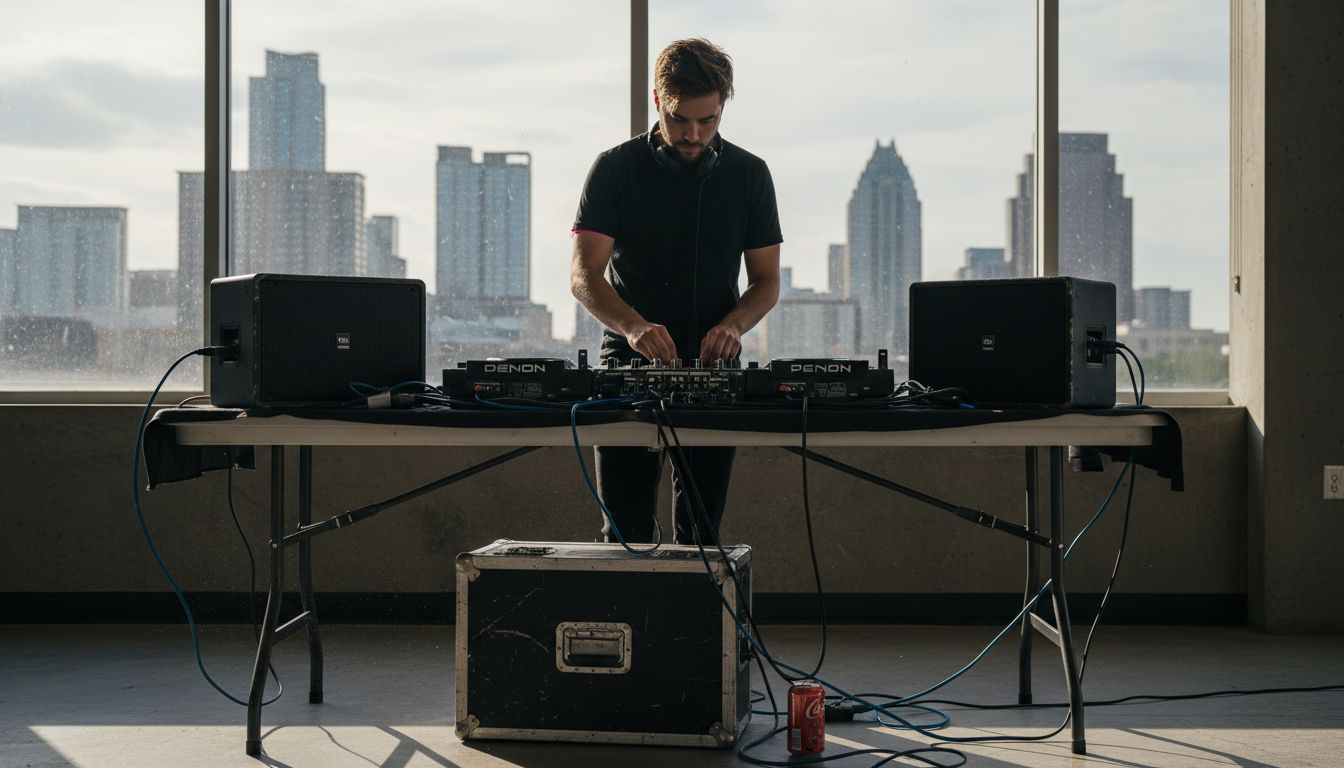
Investing in high-quality DJ equipment can boost your event client satisfaction by up to 30%, making equipment selection a critical decision for event planners across Texas. Yet choosing the right gear involves balancing event size, venue acoustics, and budget constraints while ensuring reliable performance. This guide equips you with proven criteria and specific equipment recommendations tailored to Texas venues, helping you make confident purchasing decisions that elevate every event you plan.
Table of Contents
Key Takeaways
Point | Details |
Equipment selection criteria | Match gear to event size, venue acoustics, and budget while prioritizing brand reliability and feature versatility. |
Top DJ controllers | Pioneer DDJ-1000, Denon DJ Prime 4, and Rane Seventy Two MKII offer varied features for different event complexities. |
Sound system essentials | Wired speakers with 1000-2000 watt output deliver clear audio, while wireless options trade fidelity for convenience. |
Lighting and accessories | Portable LED systems with 300-600 lumens and DMX control enhance ambiance, while flight cases protect gear during transport. |
Brand recommendations | Pioneer DJ leads Texas market share at 45%, followed by Denon DJ and Rane for proven reliability. |
How to Choose the Right DJ Equipment for Your Event
Selecting DJ gear starts with understanding your event requirements and venue characteristics. Matching speaker wattage to venue size prevents underpowered sound systems that disappoint clients, so begin by assessing expected attendance and space acoustics. Indoor ballrooms require different power levels than outdoor ranch venues common across Texas.
Balance three core factors: audio power, equipment portability, and setup complexity. Larger events demand higher wattage speakers and multi-channel controllers, while intimate gatherings benefit from streamlined, easily transportable setups. Budget allocation matters significantly, but prioritize quality in core components like controllers and speakers over accessories.
Consider brand reputation and local support networks when evaluating options. Equipment failures during events damage your professional reputation, so choose manufacturers known for reliability and readily available service in Texas markets. Feature versatility extends equipment lifespan, allowing you to serve diverse client needs without constant upgrades.
Connectivity preferences impact both sound quality and operational flexibility. Wired connections deliver superior audio fidelity and zero latency, ideal for ceremony audio and speeches. Wireless options provide mobility and faster setup but introduce potential interference and slight latency, making them better suited for background music scenarios.
Pro Tip: Visit local vendors to test equipment hands-on before purchasing. Feeling controller responsiveness and hearing speaker clarity in person prevents costly buying mistakes and helps you understand gear capabilities beyond spec sheets.
When booking your event DJ, understanding equipment fundamentals enables more productive conversations about technical needs and venue requirements.
Top DJ Controllers: Features, Strengths, and Best Uses
DJ controllers serve as your command center, so selecting the right model impacts mixing capabilities and event flow. The Pioneer DJ DDJ-1000 is a leading professional standard controller favored for complex mixing, offering four channels, large jog wheels, and low latency performance. Priced around $1,200, it excels at mid to large weddings and parties where seamless transitions matter.
The Denon DJ Prime 4 stands out for standalone operation without laptop dependency, featuring a 10-inch touchscreen and four channels. This $2,000 controller suits planners who prioritize equipment redundancy and prefer independent operation. Its onboard engine eliminates computer crash risks during critical event moments.
Rane Seventy Two MKII targets battle-style mixing with exceptional build quality and tactile controls. At $2,300, this controller serves high-end events demanding durability and precise scratch capabilities. Its magnetic faders and customizable performance pads appeal to DJs who incorporate turntablism techniques.
Controller Model | Channels | Key Feature | Best Event Type | Price Range |
Pioneer DDJ-1000 | 4 | Large jog wheels, low latency | Mid to large weddings, parties | $1,200 |
Denon DJ Prime 4 | 4 | Standalone operation, 10" touchscreen | Corporate events, multi-location | $2,000 |
Rane Seventy Two MKII | 2 | Magnetic faders, battle design | High-end events, scratch mixing | $2,300 |
Channel count determines simultaneous audio source handling. Four-channel controllers enable complex mixing with multiple inputs, while two-channel models suffice for straightforward playback. Control surface size affects mixing precision, with larger jog wheels and faders providing better tactile feedback during live performance.
Pro Tip: Prioritize controllers with club-standard layouts if you work with various DJs. Familiar interfaces reduce learning curves and minimize performance errors during events.
Understanding professional DJ equipment standards helps distinguish controllers suited for paid events from entry-level consumer gear. Research leading DJ controllers to compare specifications across brands.
Sound Systems: Power, Clarity, and Connectivity Options
Speaker selection directly impacts guest experience, making power output and clarity non-negotiable factors. Wired speakers with 1000-2000 watt output are recommended for Texas events, providing adequate coverage for venues seating 100 to 300 guests. Underpowered systems force volume increases that introduce distortion and fatigue listeners.
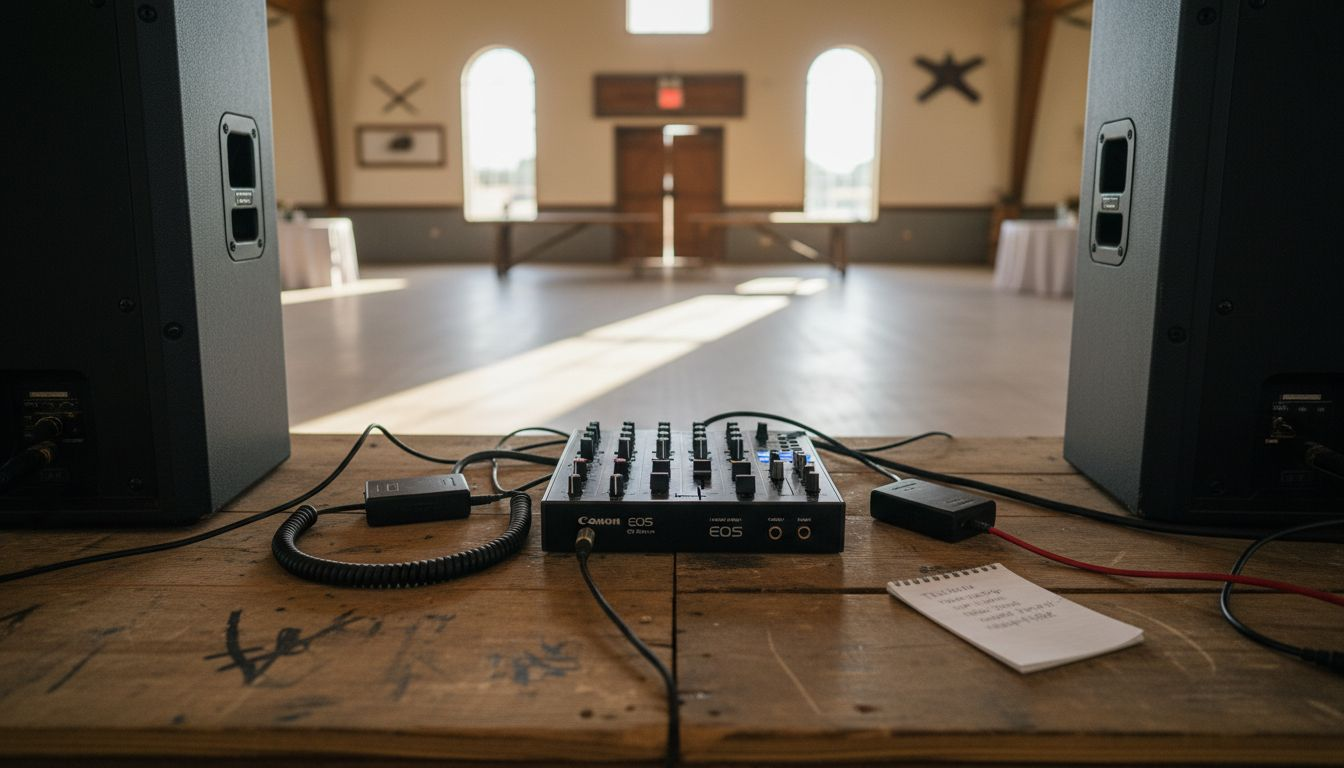
Wired connections deliver superior fidelity by eliminating compression and latency inherent in wireless transmission. Professional events benefit from XLR or 1/4-inch cable connections that maintain signal integrity across distances. Reserve wired setups for ceremony audio, speeches, and situations where audio quality cannot be compromised.
Bluetooth speakers offer convenience for casual background music but introduce 30-100 millisecond latency unsuitable for live mixing or synchronized lighting. Their compressed audio streams reduce dynamic range compared to wired alternatives. Consider Bluetooth only for pre-event music or remote areas where cable runs prove impractical.
Texas venues present unique acoustic challenges. Outdoor ranch settings require higher wattage to overcome ambient noise and lack of reflective surfaces. Indoor hotel ballrooms with hard surfaces may need acoustic treatment or speaker positioning adjustments to prevent harsh echoes. Venue site visits inform speaker quantity and placement decisions.
Match total system wattage to guest count: 10 watts per person minimum for speech clarity, 20 watts for dance music
Position speakers at ear level or higher to maximize coverage and minimize floor reflections
Use powered speakers with built-in amplifiers to reduce equipment count and simplify setup
Test speaker placement during venue walkthroughs to identify dead zones and acoustic issues
When choosing sound systems for corporate events, prioritize speech intelligibility over bass response. Explore recommended speaker models from trusted manufacturers with Texas dealer networks.
Microphones and Audio Accessories for Clear Communication
Wireless microphones enable presenter mobility crucial for toasts, announcements, and ceremony officiants. Modern wireless systems achieve latency under 5 milliseconds with transmission ranges exceeding 100 meters, providing freedom without audio delay. UHF wireless systems outperform Bluetooth alternatives by offering interference-resistant frequency selection and superior audio quality.
Bluetooth microphones introduce noticeable latency and compressed audio unsuitable for live speech applications. Their consumer-grade construction lacks the reliability professional events demand. Reserve Bluetooth connectivity for background music streaming, not live vocal applications where timing and clarity matter.
In-ear monitors improve DJ and performer audio feedback while reducing stage volume. These devices allow precise mix control without relying on floor wedges that create feedback loops and distract guests. Wireless in-ear systems cost $300 to $600 but significantly enhance performance quality at upscale events.
Select wireless microphone systems with at least two frequency presets to avoid interference from venue WiFi and other RF sources
Invest in rechargeable battery systems to eliminate mid-event battery failures and reduce operational costs
Keep backup batteries and spare microphones on hand for multi-hour events like wedding receptions
Test wireless range during venue setup to identify interference zones and dead spots
Pricing ranges from $150 for entry-level wireless handhelds to $600 for dual-channel bodypack systems with premium capsules. Budget allocation should prioritize microphone quality for events featuring speeches and live announcements where communication clarity directly impacts guest experience.
Explore wireless microphone options for corporate events where presentation audio quality influences professional perception.
Lighting Equipment: Enhancing Atmosphere with Portability and Effects
Portable LED lighting transforms venue ambiance without complex wiring or excessive power consumption. Portable LED lighting systems with DMX control provide 300-600 lumens output and customizable color patterns that adapt to event themes and mood transitions. Battery-powered options eliminate trip hazards from cables while enabling placement in areas without electrical access.
DMX compatibility allows synchronized lighting control from your controller or dedicated console. This protocol coordinates color changes, strobes, and movement patterns across multiple fixtures for professional effects. Entry-level DMX lights start around $200 per fixture, while advanced moving heads cost $500 to $800.
Effect versatility matters for serving diverse client preferences. Par lights provide wash coverage for walls and dancefloors, while moving heads create dynamic patterns and focal points. Uplighting transforms venue architecture by highlighting columns, draping, and architectural features with customizable colors.
Lighting Type | Output (Lumens) | Key Effects | Battery Runtime | Price Range |
LED Par Can | 300-450 | Color wash, dimming | 6-8 hours | $150-$250 |
Moving Head | 400-600 | Pan, tilt, gobo projection | 4-6 hours | $400-$800 |
LED Uplight | 350-500 | Color wash, wireless control | 8-12 hours | $100-$200 |
Derby Effect | 250-400 | Rotating beams, patterns | 5-7 hours | $120-$220 |
Calculate fixture quantity based on venue size: one uplight per 10 feet of wall for even coverage
Choose RGBW lights over RGB for true white output and expanded color mixing capabilities
Prioritize fixtures with wireless DMX for faster setup and elimination of control cables
Test lighting effects during daytime setup to ensure adequate brightness for evening events
Pro Tip: Create lighting presets for different event segments like dinner, dancing, and speeches. Pre-programmed scenes reduce live adjustment demands and ensure consistent ambiance throughout the event.
Review LED lighting examples for events and explore event lighting types explained for comprehensive guidance. Compare top portable LED DJ lights across performance specifications.
Transport and Setup Accessories: Protecting and Streamlining Equipment Use
Flight cases protect expensive equipment during transport while organizing gear for efficient setup. Professional-grade cases feature reinforced corners, foam interiors, and secure latches that withstand frequent loading and unloading. Cases add 15 to 30 pounds per piece but prevent damage that costs far more than case investment.
Average professional DJ setup time runs under 45 minutes with proper accessories and organization systems. Cable management tools like velcro straps and cable bags prevent tangles that waste time and create trip hazards. Color-coded cables speed connections by instantly identifying signal types during load-in.
Accessory carts and hand trucks reduce physical strain when moving speakers and lighting stands. Equipment weights add up quickly, with powered speakers weighing 30 to 50 pounds each and flight cases adding significant bulk. Wheeled transport saves energy for the actual event performance.
Invest in rack cases for controllers and audio interfaces to centralize connections and reduce setup steps
Label all cables with source and destination tags to eliminate guesswork during setup
Pack accessories in clear bins with external labels for instant identification without opening
Create setup checklists to ensure nothing gets left behind during load-out
Pro Tip: Document your standard equipment layout with photos and diagrams. Visual references speed setup in unfamiliar venues and help assistants understand proper configuration without constant supervision.
Venue access affects transport planning significantly. Urban hotels may require elevator reservations and loading dock coordination, while rural ranch venues need vehicles capable of navigating unpaved roads. Equipment fragility demands careful stacking and securing during transit to prevent damage from vibration and sudden stops.
Well-chosen accessories extend gear lifespan by preventing cosmetic and structural damage. Flight case protection maintains equipment resale value while reducing repair frequency. Cable management prevents connector strain that leads to intermittent failures during critical event moments.
Explore professional DJ setup tips for detailed workflows and time-saving techniques.
Brand and Model Recommendations for Texas Event Planners
Pioneer DJ leads market share among Texas event professionals at 45%, followed by Denon DJ at 25% and Rane at 15% due to proven reliability and extensive support networks. Established brands offer firmware updates, replacement parts availability, and service centers accessible across major Texas cities, reducing downtime when issues arise.
Brand reliability directly impacts event success rates. Equipment failures during events damage professional reputations and client relationships in ways difficult to repair. Investing in trusted manufacturers with documented track records reduces risk compared to unknown budget alternatives lacking support infrastructure.
Local vendor availability accelerates service when problems occur. Texas dealers for major brands provide same-day replacement gear rentals and expedited repairs that minimize event cancellations. Building relationships with local vendors creates support networks valuable during equipment emergencies.
Brand | Market Share | Key Strengths | Price Point | Best Use Cases |
Pioneer DJ | 45% | Industry standard, extensive support | Premium | Weddings, corporate events, clubs |
Denon DJ | 25% | Standalone operation, innovation | Mid to Premium | Corporate events, multi-location |
Rane | 15% | Build quality, battle design | Premium | High-end events, scratch mixing |
Numark | 10% | Value pricing, beginner friendly | Budget | Small parties, entry-level |
Choose Pioneer DDJ-1000 for versatile wedding and party applications requiring four-channel mixing
Select Denon DJ Prime 4 when standalone operation and backup redundancy matter most
Pick Rane Seventy Two MKII for high-end clients expecting premium build quality and advanced features
Consider Numark Mixtrack Platinum FX only for small budget events under 50 guests
Model selection should align with typical event scales and technical demands. Controllers suited for 300-guest weddings prove overkill for intimate 50-person gatherings, while budget gear disappoints at upscale corporate functions. Match equipment tier to client expectations and venue requirements.
Consider reliable DJ gear recommendations when building your equipment inventory. Research trusted DJ brands in Texas for current model comparisons and dealer locations.
Summary Comparison and Situational Recommendations
Consolidating equipment categories helps finalize purchasing decisions based on event types and budgets. The comparison below summarizes key specifications, pricing, and optimal applications for major gear categories discussed throughout this guide.
Equipment Category | Key Specs | Price Range | Best Event Application |
DJ Controllers | 2-4 channels, low latency | $1,200-$2,300 | Mid to large events, complex mixing |
Powered Speakers | 1000-2000W, wired connection | $400-$800 each | All events, prioritize speech clarity |
Wireless Microphones | UHF, <5ms latency, 100m range | $150-$600 | Ceremonies, toasts, announcements |
LED Lighting | 300-600 lumens, DMX, battery | $100-$800 per fixture | Dance floors, architectural enhancement |
Flight Cases | Reinforced, foam interior | $80-$300 | All transport situations |
Situational recommendations for common Texas event scenarios:
Large outdoor weddings (200+ guests): Pioneer DDJ-1000 controller, dual 2000W powered speakers, four wireless microphones, eight LED uplights, moving head spotlight for first dance
Corporate presentations (100-150 attendees): Denon DJ Prime 4 for redundancy, dual 1500W speakers, two wireless handhelds, four LED par cans for branding colors
Intimate parties (50-75 guests): Pioneer DDJ-400 or Numark Mixtrack controller, single 1000W powered speaker, one wireless microphone, two LED uplights
Multi-location events (ceremony plus reception): Portable battery-powered speakers for ceremony, full controller and speaker setup for reception, wireless microphone system for both locations
Balance budget constraints against quality requirements by prioritizing core components. Allocate 40% of equipment budget to speakers and controller, 30% to lighting, 20% to microphones and accessories, and 10% to cases and transport. This distribution ensures adequate investment in gear directly impacting guest experience.
Match equipment scale precisely to venue dimensions and guest counts. Oversized systems waste budget and complicate transport, while undersized gear creates poor audio coverage and disappoints clients. Use venue site visits to measure spaces and identify acoustic challenges before finalizing purchases.
Apply the selection criteria throughout this guide to tailor equipment choices for maximum event impact. Consider future event growth when investing, choosing gear with capability headroom that serves expanding business needs without constant replacement.
Explore wedding DJ equipment recommendations for ceremony and reception-specific guidance.
Enhance Your Texas Events with Urban Space Entertainment DJ Services
Applying this equipment knowledge becomes effortless when you partner with professionals who already own premium gear suited for Texas venues. Urban Space Entertainment provides comprehensive DJ services for weddings and corporate events throughout Texas, featuring professional-grade controllers, sound systems, and lighting tailored to your specific venue and guest count.
Our experienced team handles equipment selection, transport, setup, and operation, eliminating the complexity and risk of purchasing and managing gear yourself. We maintain backup equipment for every event, ensuring flawless performance even if unexpected technical issues arise. Our established relationships with Texas venues streamline logistics and reduce setup time.
From intimate 50-guest gatherings to 300-person wedding receptions, we scale equipment precisely to your needs. Our lighting designers create custom ambiance that transforms ordinary spaces into memorable environments. Professional audio engineering ensures crystal-clear speeches and dynamic dance floor energy.
Pro Tip: Schedule consultations with our team early in your planning process. Discussing equipment needs and venue specifics upfront maximizes entertainment impact and prevents last-minute technical surprises.
Explore our wedding DJ services in Texas for ceremony and reception packages, or review corporate event DJ services for professional presentations and company celebrations. Contact us today to discuss your event vision and receive a customized entertainment proposal.
Must-Have DJ Equipment FAQs for Texas Event Planners
What is the ideal speaker wattage for different Texas event venues?
Indoor venues seating 100-150 guests require 1000-1500 total watts, while outdoor spaces need 1500-2000 watts to overcome ambient noise and lack of reflective surfaces. Allocate approximately 10-15 watts per guest for adequate coverage.
How do wireless microphones compare to wired in event settings?
Wireless microphones provide mobility essential for toasts and roaming presenters but cost more and require frequency management. Wired microphones deliver slightly better audio quality at lower cost but restrict movement with cables. Choose wireless for events featuring multiple speakers and dynamic presentations.
What portable lighting options best enhance small event ambiance?
Battery-powered LED uplights with 350-500 lumens output and wireless DMX control work perfectly for intimate gatherings. Four to six uplights placed along walls create dramatic color washes that transform venues without complex setup. Budget $100-$200 per uplight for reliable fixtures with 8-plus hour runtime.
How can I ensure fast DJ equipment setup at busy events?
Organize gear in labeled flight cases, use color-coded cables, and create visual setup diagrams. Arrive 90 minutes before event start for thorough setup and testing. Pre-program lighting scenes and audio settings to reduce live adjustments during the event.
Which DJ brands offer the best support in Texas?
Pioneer DJ maintains the strongest dealer network across Texas major cities with same-day service options and extensive replacement part availability. Denon DJ and Rane also provide reliable support through authorized service centers in Houston, Dallas, Austin, and San Antonio. Choosing these brands reduces downtime when equipment issues arise.
Recommended
Comments