Role of DJs in Event Flow: Creating Seamless Experiences
- Wix Team legend
- 3 days ago
- 17 min read
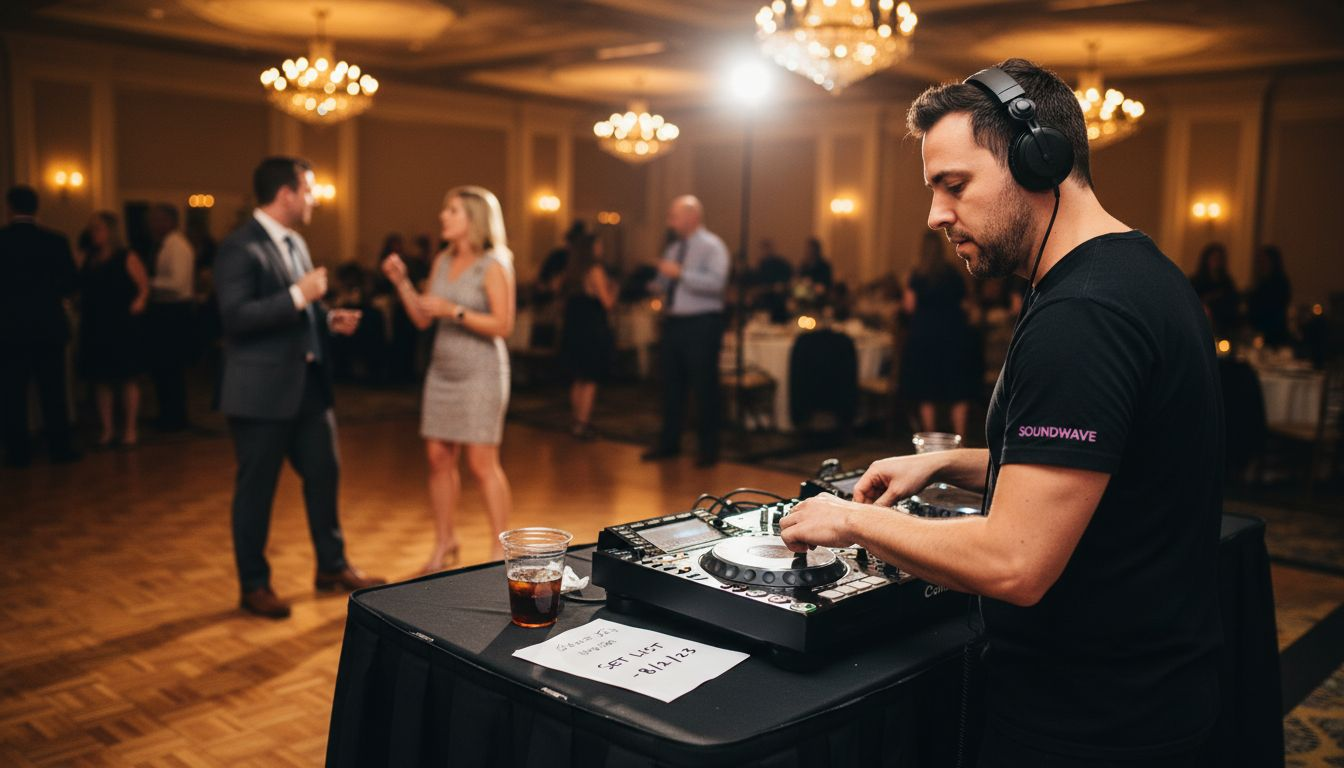
Every event planner in Texas knows there comes a moment when guest energy begins to shift unexpectedly. That is the precise instant a skilled DJ can make or break your evening. While decor and cuisine create ambiance, it is the DJ’s real-time ability to read audience energy levels and shape seamless transitions that keeps your event connected, vibrant, and memorable. Discover what truly sets apart a reception everyone talks about from one that fizzles out.
Table of Contents
Key Takeaways
Point | Details |
DJ’s Role in Event Flow | A DJ significantly influences event success by reading crowd dynamics and adjusting music to maintain engagement. |
Choosing the Right DJ | Selecting a DJ who specializes in your event type ensures smoother transitions and energy management. |
Importance of Smooth Transitions | Effective management of event transitions by the DJ prevents awkward moments and keeps guests engaged. |
Communication and Preparation | Clear communication of expectations and thorough preparation can prevent common pitfalls when working with DJs. |
Defining the DJ’s Impact on Event Flow
Think of a DJ as the conductor of your event’s emotional orchestra. Your event’s success depends far less on catering or decor than most planners realize—it hinges on how the DJ reads the room and adjusts in real time. A skilled DJ doesn’t just play songs; they shape the entire atmosphere by controlling music selection, managing transitions, and setting the energy level of your crowd. This is what separates a forgettable event from one your guests discuss for years.
Here’s what most event organizers miss: the DJ’s role extends well beyond entertainment. Research shows that DJs who effectively read audience energy levels can significantly improve how smoothly events flow from one segment to the next. When a DJ understands crowd dynamics—noticing when energy dips during cocktail hour or when to build momentum for the dance floor—they make micro-adjustments that most attendees never consciously recognize but absolutely feel. This continuous engagement defines whether your reception feels natural and connected or disjointed and awkward.
The impact shows up across different event types:
Wedding receptions: A DJ who recognizes the shift from formal dinner to celebration can time the first dance, parent dances, and cake cutting to maximize audience engagement while maintaining emotional resonance.
Corporate functions: DJs skilled at managing crowd energy help transition attendees from networking sessions to speeches to dancing without awkward gaps or confusion.
Multi-location events: For Texas venues with outdoor spaces or multiple rooms, a talented DJ orchestrates the flow across locations, keeping energy consistent wherever guests move.
A DJ’s ability to read and adapt to crowd dynamics in real time is what separates events that feel carefully choreographed from those that feel genuinely alive and connected.
When you’re evaluating DJs for your upcoming event, ask about their experience managing specific transitions and how they’ve handled unexpected timing changes. The best DJs maintain flexibility—they know the planned schedule matters far less than responding to what’s actually happening in the room. A wedding planner once told me she booked a DJ specifically because when she asked how he’d handle a delayed ceremony, he didn’t recite a script; he walked through three different scenarios and explained how he’d adjust the cocktail hour music to keep momentum.
Your DJ selection determines whether timing feels like something that happens to your guests or something they actively participate in. Unlike other vendors, a quality DJ directly influences how present and engaged your attendees feel throughout every single moment. This ongoing adjustment and real-time responsiveness is precisely why the DJ’s role in event flow is non-negotiable for creating the seamless experience you’re working toward. When you’re ready to explore how DJs handle specific event timelines, our wedding DJ timeline guide walks through the exact sequencing that keeps events on track while maintaining natural energy flow.
Pro tip: During your DJ consultation, ask them to describe their last three events and specifically how they handled timing changes or unexpected moments—their answers reveal whether they simply follow a setlist or actively manage your event’s actual flow.
Different Types of Event DJs Explained
Not all DJs are created equal, and choosing the wrong type for your event can derail your entire vision. Wedding planners and corporate organizers in Texas work with different DJ specializations depending on their specific needs, and understanding these distinctions upfront saves time, money, and stress during the planning process. Each DJ type brings different expertise, equipment, and approaches to managing event flow—and your choice directly impacts how smoothly your event unfolds.
The main types of event DJs serve distinct purposes and operate in fundamentally different ways. A wedding DJ specializes in managing the emotional arc of ceremonies and receptions, reading family dynamics, timing traditions, and transitioning seamlessly between formal moments and celebratory dancing. A corporate DJ focuses on maintaining professional energy during networking events, product launches, and company celebrations—they understand how to complement speeches and presentations without overshadowing them. An MC-style DJ blends music with hosting duties, making announcements and leading activities, which works particularly well for events requiring active audience participation. A club or nightlife DJ specializes in extended sets and crowd building, creating immersive experiences through extended musical journeys—rarely the right fit for traditional weddings or corporate functions. Mobile DJ services offer flexibility by bringing professional equipment to your specific venue, whether that’s an outdoor garden in Austin, a downtown loft, or a traditional banquet hall.
Here’s how to match DJ type to your event:
Wedding receptions: Seek DJs with proven experience managing first dances, parent dances, bouquet tosses, and the critical transition from dinner to dancing. They should understand how to read the room’s energy and adjust timing when ceremonies run late.
Corporate galas: Look for DJs comfortable working alongside professional AV setups, managing background music during networking, and maintaining sophisticated ambiance without dominating the space.
Multi-hour celebrations: Choose DJs skilled at sustaining energy across three, four, or five-hour events without burning out your crowd—this requires understanding pacing and variety.
Outdoor events: Partner with experienced mobile DJs who’ve managed weather contingencies, worked with battery-powered equipment, and understand how outdoor acoustics differ from indoor spaces.
Different DJ specializations exist because different events have fundamentally different needs—the DJ who excels at a nightclub setting may struggle completely with a formal wedding, and vice versa.
When you’re evaluating different DJ types, ask specific questions about their event experience. A wedding DJ should walk you through how they handle timing when vendors run behind schedule. A corporate DJ should explain how they balance music volume during speeches and presentations. A mobile DJ should discuss backup equipment options and contingency plans for technical failures.
The reason this matters for event flow is straightforward: a DJ who specializes in your specific event type understands the predictable moments, common timing challenges, and energy management strategies that keep things running smoothly. They’ve seen dozens or hundreds of similar events, which means they anticipate problems before they happen. When you book a DJ unfamiliar with your event type, you’re essentially asking them to learn your event’s unique demands in real time—and that learning curve costs you.
Your event’s seamless flow depends partly on booking a DJ whose specialization aligns with your needs. Understanding the different wedding DJ types available helps you ask the right questions during consultations and identify which specialization actually matches what you’re trying to accomplish. Don’t assume all DJs can handle all events equally well—they can’t, and your event deserves someone specifically trained for what you’re doing.
Here’s a quick comparison of event DJ specializations and their unique strengths:
DJ Type | Primary Expertise | Best for Event Types | Key Strengths |
Wedding DJ | Emotional moment management | Weddings, family receptions | Timing traditions, reading guests |
Corporate DJ | Balancing music with formal segments | Galas, launches, parties | Professional pacing, coordination |
Club/Nightlife DJ | Crowd building, extended sets | Nightclubs, large parties | Energy building, remixing |
Mobile DJ | Flexible setups, diverse venues | Outdoor, remote, or casual | Adaptability, quick setup |
MC-Style DJ | Hosting, announcements, audience lead | Interactive events, fundraisers | Engaging participants, clear instructions |
Pro tip: When consulting with DJs, ask them to describe their three most recent events matching your event type, and listen carefully to how they discuss timing decisions and unexpected challenges—this reveals whether they actually specialize in your event type or just claim they do.
Key Responsibilities for Smooth Transitions
Transitions are where most events either flow seamlessly or fall apart noticeably. A DJ’s primary responsibility during these critical moments is managing the invisible mechanics that keep your guests engaged without realizing they’re being managed. When a DJ handles transitions poorly, guests notice the awkward silence, the abrupt musical shift, or the sudden drop in energy. When a DJ handles transitions expertly, nobody thinks about it—the event simply feels right. This is the difference between a competent DJ and one who truly understands event flow.
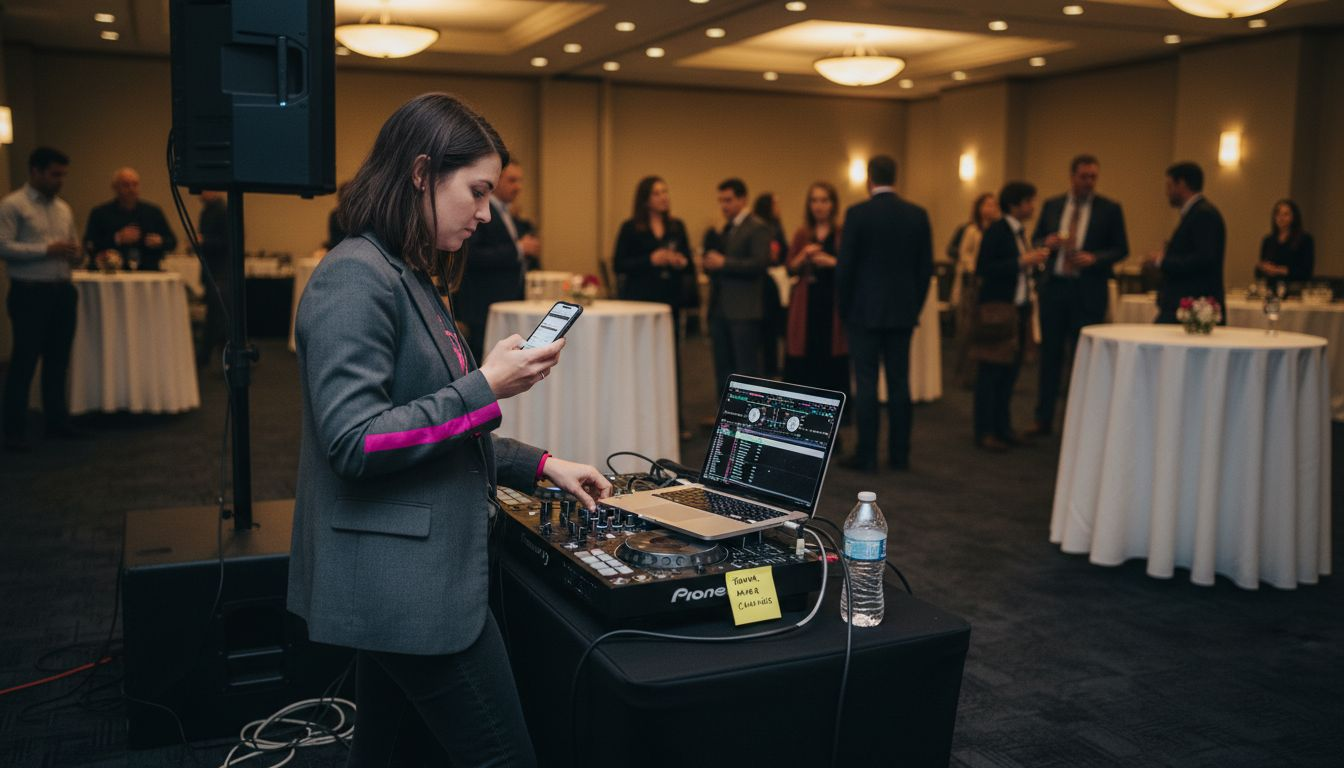
Smooth transitions require mastering several technical and interpersonal responsibilities simultaneously. A skilled DJ must balance timing and phrasing to align song changes with natural musical breaks rather than jarring stops. Precise beatmatching and tempo control ensure tracks synchronize seamlessly without speed mismatches that guests recognize immediately. The DJ simultaneously manages EQ and frequency levels to prevent muddiness when blending songs and maintains harmonic mixing so musical compatibility feels natural rather than forced. But here’s what separates great DJs from adequate ones: they do all of this while reading the crowd, making real-time decisions about energy levels, and deciding whether to extend a song or move forward based on what they observe in the room.
Your DJ’s specific transition responsibilities break down into measurable areas:
Volume and level management: Balancing music volume during speeches, announcements, and conversations without overshadowing the moment or creating dead silence.
Microphone handling: Managing their own announcements and crowd engagement while maintaining focus on musical flow and timing.
Energy pacing: Knowing exactly when to build energy, sustain it, and ease off based on the event timeline and crowd response.
Technical precision: Using effects sparingly to emphasize transitions rather than distract from them, employing loops and phrasing techniques to create anticipation.
Real-time adaptability: Staying responsive to the live event’s actual atmosphere rather than rigidly following a predetermined setlist.
Timing flexibility: Adjusting transitions when ceremonies run late, speeches extend longer than planned, or unexpected schedule changes occur.
A DJ’s ability to handle smooth transitions depends less on technical wizardry and more on their willingness to read the room constantly and adjust their decisions in real time.
For wedding planners specifically, smooth transitions become critical at predictable moments. The shift from cocktail hour to dinner requires different energy. The transition from formal toasts to the first dance demands careful timing. Moving from dinner to the dance floor requires recognizing when guests are ready rather than forcing them into dancing before they’re engaged. A quality DJ doesn’t just play these moments—they orchestrate them, using effective blending of technical and creative skills to make each shift feel natural and intentional.
Corporate event organizers face different transition challenges. A DJ managing a product launch must transition from networking music to announcement readiness without jarring changes. They need to balance professional ambiance during mingling with energy that supports presentations and speeches. They must handle transitions between different segments or speakers while maintaining professional atmosphere throughout.
When you’re evaluating a DJ’s transition skills, ask them directly how they handle specific moments in your event type. Ask about their approach to timing delays when ceremonies run behind schedule. Ask how they manage energy when the crowd seems disengaged. Ask what they do if technical issues interrupt their setup. Their answers reveal whether they’ve actually managed these transitions dozens of times or whether they’re improvising on the fly.
Pro tip: During your DJ consultation, ask them to describe a specific moment when something didn’t go according to plan at an event and walk you through exactly how they adapted their transitions to keep the flow smooth—their answer reveals whether they actively manage transitions or simply react to problems.
Music Selection and Audience Engagement
Music selection is the foundation of event flow, yet most planners treat it as an afterthought. A DJ doesn’t simply queue up songs—they strategically choose music that matches the current atmosphere while gently pushing the crowd toward where they want energy to go. The difference between a DJ who understands this and one who doesn’t is the difference between an event that feels alive and one that feels disjointed. Your guests may not consciously analyze the music choices, but they absolutely feel the impact of whether songs align with the moment or clash with it.
Successful DJs build engagement through intentional song selection strategy that evolves throughout your event. They balance familiar hits that guests recognize and love with fresh surprises that keep the experience from feeling predictable. The best approach involves building energy through gradual progression rather than dramatic jumps—starting lighter during cocktail hour, increasing tempo during dinner transitions, and ramping up intensity as the dance floor opens. Research confirms that DJs who read audience response and adjust song selection accordingly maintain momentum and connection far more effectively than those rigidly following predetermined setlists.
Here’s how music selection directly impacts your event’s flow:
Cocktail hour: Soft, conversational-level music that encourages mingling without demanding attention. Songs should be recognizable but not so engaging they distract from networking.
Dinner service: Slightly elevated energy that complements the meal without overwhelming conversations. This is where the DJ transitions from background music to intentional atmosphere building.
Toasts and speeches: Dramatic reduction in volume and energy, signaling to guests that attention is shifting to the ceremony moment. The music should fade into the background completely.
First dances and traditions: Carefully selected songs that match the emotional tone—romantic for first dances, celebratory for bouquet tosses, energetic for group activities.
Dance floor building: Strategic progression from known favorites to higher-energy tracks, building momentum rather than starting at maximum intensity.
Audience engagement doesn’t happen through impressive technical skills alone—it happens when guests feel the DJ genuinely understands the emotional arc of the event and responds to it with music choices that enhance each moment.
Beyond music selection, the DJ’s physical and emotional engagement dramatically influences how audiences connect with the event. DJs who actively interact with the crowd through dancing and engagement boost positive audience emotions and create stronger event connections. This doesn’t mean the DJ becomes the entertainment—it means they demonstrate genuine enthusiasm for the music and the moment, which invites guests to do the same. When a DJ stands isolated behind their equipment looking disengaged, guests pick up on that energy and mirror it back. When a DJ shows enthusiasm and connection, guests unconsciously feel permission to be more present and engaged.
For wedding planners, this means asking potential DJs about their song selection process specifically. How do they choose songs for your ceremony? How do they determine when the crowd is ready to transition from cocktail hour to dinner? How do they know when energy is dipping and it’s time to shift the setlist? Ask them about unexpected moments—what happens if a key song gets skipped, or if the crowd responds differently than anticipated? Their answers reveal whether they’re thinking strategically about engagement or just following a playlist.
Corporate event organizers should ask similar questions tailored to your specific needs. How do they balance professional ambiance during networking without making the event feel stuffy? How do they select music that complements rather than competes with speakers and presentations? How do they maintain energy across multiple hours without exhausting the crowd?
Pro tip: Share your event’s mood and key moments with the DJ during planning, then ask them to explain their song selection philosophy for each segment—their thoughtful answer tells you whether they see music as background noise or as the primary tool for creating seamless event flow.
DJ as Emcee and Event Coordinator
Your DJ’s job extends far beyond playing music. A skilled DJ functions as an unofficial event coordinator, managing timing, cueing vendors, announcing important moments, and keeping your event on schedule even when everything else falls apart. This dual role—part entertainer, part logistician—is what separates a DJ who simply plays songs from one who genuinely manages your event’s flow. Most planners don’t realize this responsibility exists until they book a DJ who doesn’t handle it, and by then it’s too late to course-correct.
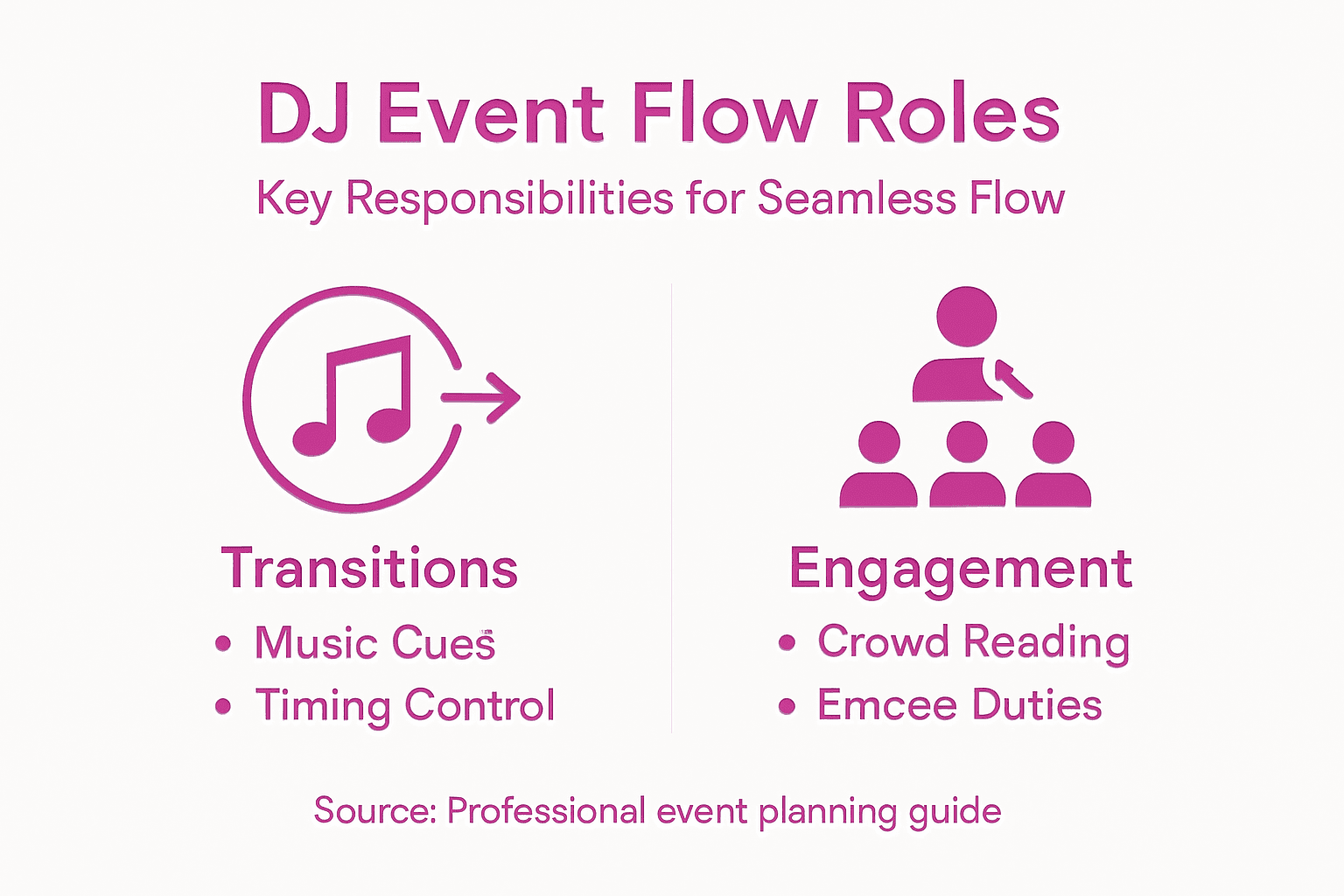
As an emcee, your DJ becomes the voice of your event. They announce the wedding party, introduce traditions like the first dance or cake cutting, make toasts feel special, and guide guests through transitions that might otherwise feel awkward or unclear. In corporate settings, a DJ as emcee introduces speakers, builds energy around product announcements, and keeps the audience engaged between segments. The microphone becomes a tool for managing pacing and energy as much as the music does. A DJ with strong emcee skills makes announcements feel natural and planned rather than scripted and stiff—they read the room and adjust their tone accordingly. When your grandmother’s emotional toast concludes, a great DJ MC doesn’t immediately blast dance music; they let that moment breathe before building energy.
The coordination responsibilities include several critical functions:
Timeline management: Staying in constant communication with your coordinator or planner about what’s happening next, alerting vendors when they need to be ready, and adjusting music and pacing when the schedule shifts.
Vendor cueing: Working with photographers, caterers, and other vendors to ensure smooth transitions. Example: letting the caterer know when dinner service should start based on where you actually are in the timeline.
Guest flow direction: Using their position and voice to guide guests toward dance floors, from cocktail areas to dinner, or toward specific moments without making announcements feel bossy or controlling.
Technical troubleshooting: Managing microphone feedback, equipment failures, or audio issues without letting guests notice problems are occurring.
Atmosphere adjustment: Reading the room constantly and making real-time decisions about energy level, pacing, and what happens next based on actual guest response rather than predetermined plans.
A DJ who truly coordinates your event thinks like a project manager with music skills—they’re constantly aware of what’s supposed to happen next, what’s actually happening now, and how to bridge the gap between the two.
For wedding planners, this coordination role becomes especially critical because weddings involve dozens of moving parts and emotional moments that can’t be rushed or delayed without consequence. A quality wedding DJ communicates with your photographer about timing for couple photos, coordinates with the catering team about when to clear tables for dancing, and stays aware of extended family dynamics that might affect how toasts should be introduced. They understand that when Aunt Marie’s speech runs eight minutes longer than planned, the entire evening shifts, and they adjust the rest of the timeline invisibly.
The following table summarizes critical DJ coordination roles during events:
Responsibility | Why It Matters | Example Scenario |
Timeline management | Keeps event on schedule | Adjusting music for delayed speech |
Vendor cueing | Ensures seamless handoffs | Alerting photographer for dances |
Guest flow direction | Prevents guest confusion | Guiding crowd from dinner to dance |
Technical troubleshooting | Avoids noticeable interruptions | Fixing mic feedback during toast |
Corporate event organizers benefit equally from DJ coordination skills. DJs managing corporate events must balance multiple segments including networking, presentations, awards, and celebrations—and strong DJ coordinators keep these transitions seamless. They know when speakers are ready, when to fade music for presentations, when audience energy needs rebuilding, and how to keep the overall event flowing without awkward dead time between segments.
When you’re evaluating DJs, explicitly ask about their coordination experience. Do they communicate with other vendors before your event? Do they create a detailed timeline with your planner? How do they handle schedule changes on the day of? What happens if speeches run longer than expected, ceremonies start late, or unexpected moments arise? Their answers reveal whether they see themselves as musicians providing background entertainment or as event partners invested in your overall success.
Pro tip: During your planning meeting with the DJ, establish a clear communication protocol: Who contacts them if timing changes? How do they signal vendors? What’s their backup plan if technology fails? A DJ who’s thought through these details before your event day has already prevented most common problems.
Common Mistakes and How to Avoid Them
Booking the wrong DJ or failing to communicate your expectations clearly can derail even a perfectly planned event. Most planners don’t realize certain DJ mistakes are entirely preventable—they stem from poor preparation, lack of communication, or fundamental misunderstandings about what your event actually needs. Understanding these pitfalls upfront helps you ask the right questions during consultations and establish expectations that keep your event flowing smoothly from start to finish.
The most damaging DJ mistakes fall into predictable categories. Playing music for themselves rather than your crowd tops the list—a DJ selecting tracks they love instead of songs that match your event’s energy and demographics disrupts flow immediately. Poor preparation and disorganized music libraries mean DJs scramble during your event instead of executing seamlessly. Overusing effects and technical tricks distracts from the actual experience rather than enhancing it. Ignoring crowd energy and rigidly following predetermined setlists regardless of how guests actually respond prevents the real-time adjustments that keep events flowing. Weak equipment knowledge causes technical failures that guests notice and that create dead time in your event. DJs who fail to read the crowd and who don’t prioritize sound quality fundamentally undermine the seamless experience you’re paying for.
Here’s how to prevent these mistakes before they happen:
Establish clear communication: Schedule detailed planning calls where you discuss your event’s specific moments, music preferences, timing, and expectations. A DJ who asks thoughtful questions about your vision is preparing properly.
Request equipment specifications: Ask about backup equipment, sound system quality, and contingency plans for technical failures. A DJ with well-maintained gear and backup options prevents many common problems.
Share your guest demographics: Tell the DJ about your guests’ ages, cultural backgrounds, and music preferences. A wedding DJ working for 22-year-olds has fundamentally different responsibilities than one working for a 60-year-old’s celebration.
Discuss song requests explicitly: Clarify your policy upfront. Will you accept requests? Who approves them? What happens if someone requests inappropriate content? Clear boundaries prevent awkward moments during your event.
Confirm vendor coordination: Ask specifically how the DJ will communicate with your photographer, caterer, and planner. Miscommunication between vendors creates the gaps that disrupt flow.
Review their actual experience: Don’t just ask if they’ve done events like yours—ask them to describe three specific recent events matching your type and explain exactly how they handled timing, energy management, and unexpected challenges.
The most common mistake planners make isn’t booking the wrong DJ—it’s failing to communicate their event’s specific needs clearly, leaving the DJ guessing about what you actually want.
Corporate event organizers face a different but equally serious mistake: booking a club DJ or wedding specialist who doesn’t understand corporate dynamics. DJs who lack proper pacing and crowd-reading skills struggle to balance networking energy with presentation moments, causing awkward transitions between segments. They may not understand how to fade music appropriately during speeches or how to rebuild energy after formal moments conclude.
Another critical mistake is mishandling the balance between technical skill and audience interaction. Some DJs obsess over perfect beatmatching and transitions while completely ignoring crowd response and energy management. Others focus so heavily on talking and entertaining that they neglect the technical precision that creates smooth musical flow. The best DJs blend both—they have strong technical fundamentals but don’t let technical achievement override what the crowd actually needs.
Finally, planners often fail to discuss pacing explicitly. A DJ who doesn’t understand that sustained, unrelenting high energy actually exhausts guests will burn out your crowd by hour three. A DJ who doesn’t recognize when energy is dipping too low will leave guests feeling disconnected. Pacing—the deliberate rise and fall of energy throughout your event—requires constant attention and adjustment.
Pro tip: Before finalizing your DJ contract, ask them to walk you through their specific preparation process for your event type, including how they’ll organize their music library, what backup equipment they’re bringing, and exactly how they’ll communicate with your other vendors—their detailed answer reveals whether they’ve thought through prevention of common mistakes or whether they wing it.
Elevate Your Event Flow with Professional DJ Expertise
Creating a seamless event flow is more challenging than it seems. The right DJ shapes your event’s emotional arc by reading your guests and making real-time adjustments. If you want to avoid awkward transitions, disruptive timing, or low energy moments, you need a DJ who understands these crucial dynamics. Urban Space Entertainment LLC specializes in managing every detail from smooth musical transitions to coordinated announcements, ensuring your event feels genuinely alive and effortlessly connected.
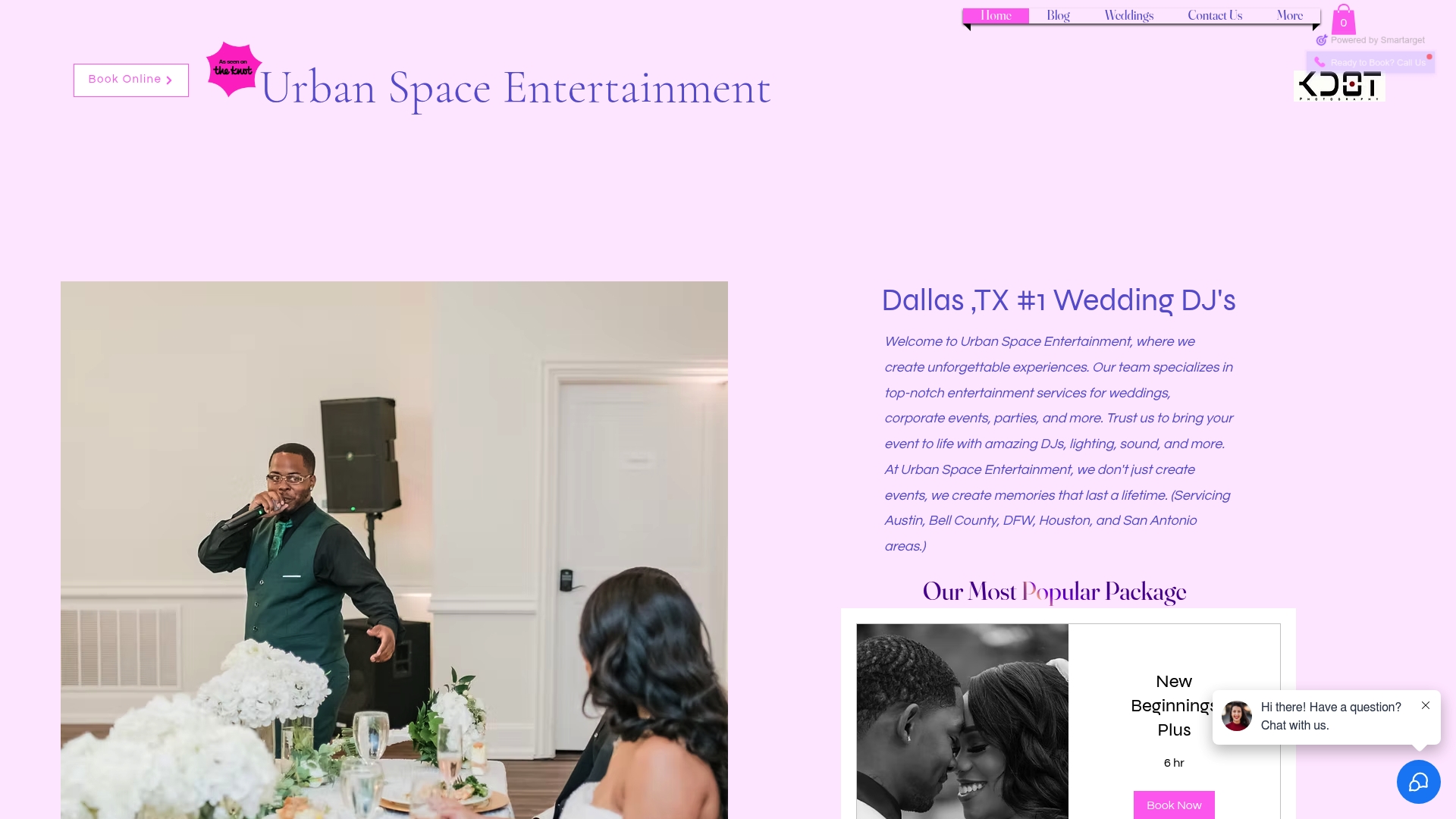
Discover how our carefully tailored DJ packages can transform your wedding, corporate function, or party by delivering the expert timing and crowd engagement described in the article “Role of DJs in Event Flow: Creating Seamless Experiences.” Visit Urban Space Entertainment today and start your journey toward a flawless event. Book now to secure a DJ who not only plays music but also orchestrates your entire event’s flow with confidence and professionalism. Check out our Service Information and take the first step toward making your event unforgettable.
Frequently Asked Questions
What is the role of a DJ in managing event flow?
A DJ functions as a conductor for the event, reading the audience and adjusting music selections, transitions, and energy levels to create a cohesive and engaging atmosphere.
How do I choose the right type of DJ for my event?
Consider the specific needs of your event. Wedding DJs focus on emotional moment management, corporate DJs balance professionalism and ambiance, while club DJs specialize in crowd energy and extended sets.
What should I ask a DJ during the consultation?
Inquire about their experience with specific transitions, how they handle unexpected timing changes, and their approach to music selection for different segments of your event.
Why are smooth transitions important in an event?
Smooth transitions help maintain guest engagement and prevent awkward moments. A skilled DJ ensures that the flow between segments feels natural, enhancing the overall experience.
Recommended
Comments