6 Essential Steps for Your Wedding Sound System Checklist
- Wix Team legend
- Feb 21
- 14 min read

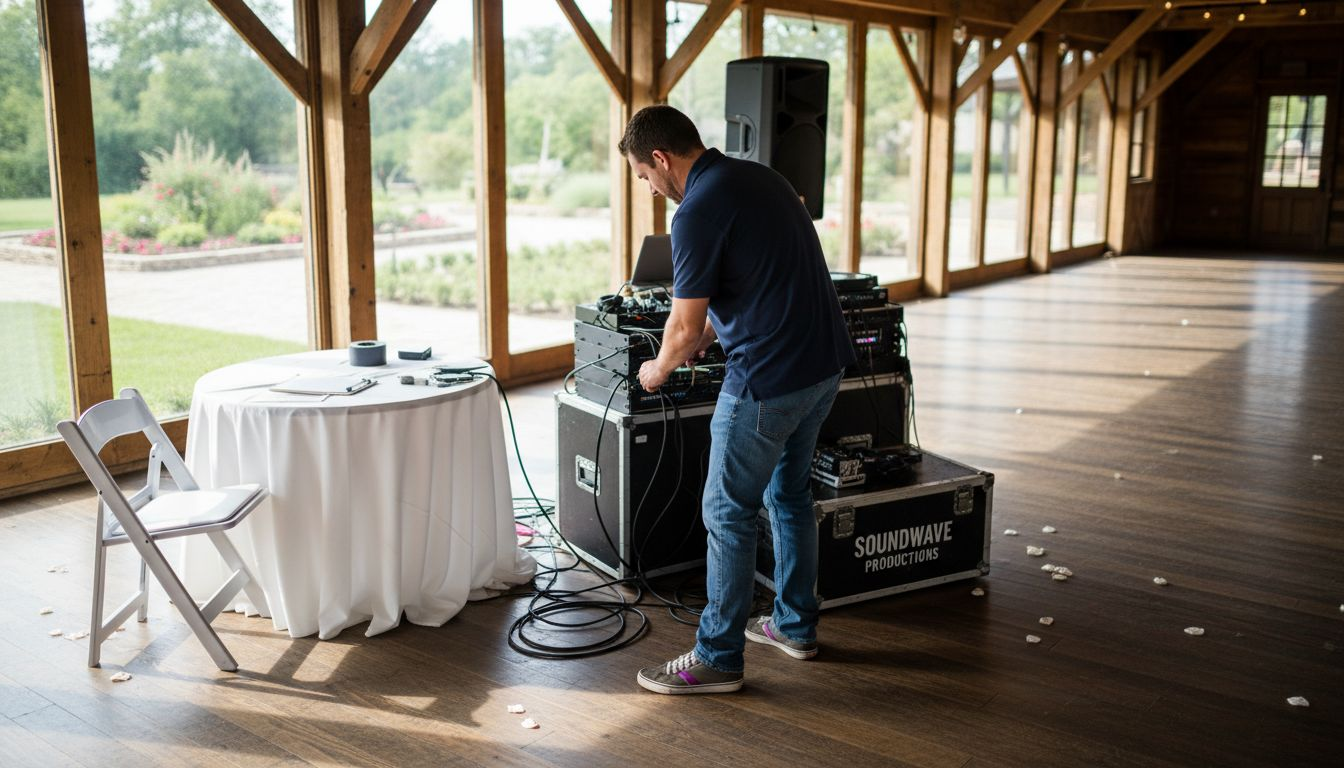
Planning a wedding in Texas means balancing the excitement of your big day with the stress of making sure every guest can actually hear your vows, music, and toasts. The sound setup at your venue isn’t just background noise—it shapes the entire atmosphere and emotional impact of your event. Finding the right approach takes knowledge of acoustics, equipment, and communication between vendors.
If you want crystal-clear vows, engaging music, and seamless transitions between ceremony and reception, you need more than just a playlist and a microphone. The following tips will show you how to assess your venue’s acoustics, select the perfect audio gear, and coordinate every detail with your DJ and vendors. Get ready to discover actionable insights that will transform your wedding sound from chaotic to unforgettable.
Table of Contents
Quick Summary
Takeaway | Explanation |
1. Assess Venue Acoustics Carefully | Understand how size, layout, and materials affect sound quality to optimize your setup. |
2. Choose Equipment Based on Needs | Select audio gear that matches venue size and guest count, focusing on clarity and reliability. |
3. Differentiate Ceremony and Reception Audio | Plan distinct sound setups for each event to ensure clarity during vows and energy during dancing. |
4. Ensure Backup Power Solutions | Prepare for power failures with uninterruptible power supplies and backup equipment to maintain audio continuity. |
5. Coordinate with Vendors Early | Communicate sound requirements and timelines with your DJ and other vendors to avoid confusion on the wedding day. |
1. Assess Venue Acoustics and Layout
Your wedding venue’s acoustic properties directly impact how your guests experience music, vows, and toasts. A beautiful ballroom sounds completely different from a barn or outdoor garden, and understanding these differences helps you choose the right sound system setup.
Venue acoustics are shaped by size, ceiling height, wall materials, and floor type. Hard surfaces like tile or wood reflect sound waves, creating echoes and reverberations. Soft materials like carpets and upholstered furniture absorb sound, reducing reflections but potentially muffling music clarity.
The balance between sound reflection and absorption determines whether your guests hear crisp music or muddy echoes.
Start by visiting your venue at the same time of day as your event. Sound behaves differently depending on lighting, temperature, and occupancy. Ask the venue manager about construction materials and any existing sound issues they’ve encountered.
Consider these acoustic factors when assessing your space:
Ceiling height impacts how sound travels and reverberates
Wall materials determine whether sound reflects or absorbs
Room dimensions affect low-frequency bass response and clarity
Outdoor elements like wind and ambient noise require more powerful equipment
Adjacent spaces (kitchens, hallways) may introduce unwanted noise
Strategic speaker placement and sound-absorbent materials work together to optimize speech intelligibility and music quality in larger spaces. This means positioning speakers to reach all tables without creating dead zones or overwhelming certain areas.
Test your venue’s natural acoustics by clapping, speaking, and listening carefully. Walk through different sections where guests will sit. Notice how sound travels from the ceremony space to the reception area. Identify any corners where sound seems to disappear or bounce excessively.
The layout determines speaker placement and cable routing. Measure distances from your DJ table to the furthest guest seating. Identify overhead installation points or ground-level speaker stands. Note any obstacles like pillars, balconies, or architectural features that might block sound distribution.
For Texas venues with outdoor components, weather considerations matter significantly. Open air spaces require more powerful equipment to overcome wind and ambient noise. Covered structures offer better acoustical control but may create unexpected reflections.
Pro tip: Request a walkthrough with your DJ or sound professional before booking your venue—they can identify acoustic challenges and confirm whether their equipment works well in your specific space.
2. Choose the Right Audio Equipment
Selecting the right audio equipment makes the difference between a wedding where guests strain to hear vows and one where every word and song resonates beautifully. Your equipment choices depend on venue size, guest count, and the type of sound experience you want to create.
Audio equipment includes microphones, speakers, amplifiers, and mixing consoles that work together to deliver sound. The key is matching your equipment to your specific venue and event needs rather than buying the biggest or most expensive option available.
The right equipment balances power, clarity, and reliability for your specific venue and guest count.
There are two main speaker categories to understand. Powered speakers have built-in amplifiers, making setup simpler and reducing cable complexity. Unpowered speakers require separate amplifiers but offer more customization flexibility if you need to adjust sound levels across different zones.
For a typical Texas wedding reception, consider these equipment essentials:
Main PA speakers for ceremony and reception sound
Microphones for vows, toasts, and announcements (usually 2-4 wireless handheld units)
Mixing console to control volume levels and transitions
Subwoofers for bass response in larger venues
Monitor speakers so your DJ or ceremony participants hear themselves clearly
Wedding-specific audio needs differ from concerts or conferences. Professional audio brands like Shure and Sennheiser offer microphones and speakers specifically designed for event reliability and speech clarity. Equipment selection should prioritize reliability and compatibility with other gear rather than just raw power.
Your DJ or sound professional typically owns and maintains the core equipment. They bring experience about what works in your venue type. However, understanding the basics helps you ask informed questions and make decisions aligned with your vision.
Budget considerations matter too. Renting equipment is often smarter than buying for a one-time event. A quality rental package costs less than purchasing and includes professional setup and troubleshooting during your event.
Think about sound zones in your venue. A ceremony might need clarity for 50 feet, while a reception with dancing requires coverage across a 2,000-square-foot room. Different areas may need different speaker placements or volumes.
Pro tip: Ask your venue if they have preferred audio vendors or built-in sound systems you can use—this saves money and eliminates compatibility questions.
3. Plan for Ceremony and Reception Needs
Your ceremony and reception have completely different sound requirements, and treating them as the same will disappoint your guests. A quiet, intimate ceremony demands crystal-clear audio for vows and readings, while a lively reception needs powerful music that keeps energy high without overwhelming conversation.
Ceremony sound focuses on clarity and subtlety. Guests need to hear every word of your vows, readings, and the officiant’s remarks. This typically requires just one or two wireless microphones and modest speaker volume positioned to reach all guests without echoing through the space.
Reception sound prioritizes energy and coverage. You want music that fills the room, supports dancing, and transitions smoothly between dinner and dancing. This requires more powerful speakers, a mixing console for real-time adjustments, and strategic placement to reach every corner of your reception space.
Ceremony and reception sound systems rarely work well when you try to use the same setup for both.
These two events happen in different physical locations most of the time. Your ceremony might be in a chapel or decorated ceremony space, while your reception happens in a ballroom or outdoor pavilion. This means you may need to move or reconfigure speakers, microphones, and cables between events.
Plan your ceremony audio needs first:
Microphones for exchanging vows and readings (usually 1-2 wireless units)
Speakers positioned to reach all guests without being too loud
Music source for processional, recessional, and background music during ceremony
Backup power in case of temporary outages
Sound check time at least one hour before guests arrive
Your reception audio needs are more complex. When planning your reception sound system, you’ll need to think about dinner music volume, dancing music energy, DJ equipment setup, and microphones for toasts and announcements.
Coordinating sound system details with all contributors ensures smooth transitions between ceremony and reception. Your DJ, venue coordinator, and any ceremony musicians all need to understand the timeline and technical requirements.
Create a detailed timeline that shows when sound is needed and where. Include setup time before guests arrive, ceremony duration, transition time between events, and reception timeline with specific moments for music changes.
Communicate with your DJ about ceremony needs early. Most DJs handle reception audio professionally, but not all have ceremony experience. Some Texas venues have built-in ceremony systems you can use, which simplifies logistics and reduces setup time.
Pro tip: Do a complete sound check for both ceremony and reception on your wedding day, arriving at least two hours early to allow time for adjustments and troubleshooting.
4. Ensure Proper Microphone Selection
Not all microphones work the same way, and picking the wrong type can result in feedback squeals during your vows or muffled toasts that nobody can hear. Understanding microphone types and how they work helps you choose the right tool for each moment of your wedding.
There are two main microphone types used in wedding settings. Dynamic microphones use a moving coil system and are rugged, affordable, and excellent at rejecting feedback. Condenser microphones are more sensitive and capture detailed sound, making them ideal for capturing nuanced speech and acoustic music.
The right microphone type depends on your specific use—not all mics work for all wedding moments.
Dynamic microphones convert sound through a moving coil in a magnetic field, making them durable for live settings. They handle rough handling better than other types and work well for outdoor ceremonies where durability matters. Most professional DJs use dynamic mics for announcements and toasts because of their feedback rejection.
Condenser microphones use capacitive detection and are much more sensitive to subtle sounds. They capture the delicate nuances of acoustic guitar music or quiet spoken vows beautifully. However, they require power and are more fragile, so they work better in controlled indoor settings.
Polar patterns also matter significantly. Microphone polar patterns determine directionality and noise rejection, affecting how much background noise the mic picks up. Cardioid pattern mics pick up sound mainly from the front, reducing feedback and side noise. Omnidirectional pattern mics pick up sound from all directions, useful for capturing ambient sound but risky for feedback.
For your wedding, consider these microphone applications:
Ceremony vows and readings use wireless handheld or lavalier mics with cardioid pattern
Toasts and announcements use dynamic mics with good feedback rejection
Acoustic guitar or live musician benefits from condenser mics in controlled settings
Backup microphone always have a wired option if wireless fails
Wireless microphones offer freedom of movement during ceremonies and receptions. Wired microphones are more reliable but require careful cable management to avoid tripping hazards.
Your DJ or sound professional typically provides and selects microphones based on your event layout. However, understanding the basics helps you communicate your needs clearly and understand why they recommend specific equipment.
Pro tip: Request a microphone test during your wedding day sound check, speaking clearly and naturally to ensure the operator understands how to position mics for optimal clarity without feedback.
5. Confirm Backup and Power Solutions
Picture this: you’re halfway through your first dance when the music suddenly stops because of a power failure. A solid backup power plan means your wedding continues smoothly even when unexpected problems occur. Your sound system depends entirely on reliable electricity, so planning for failure is actually planning for success.
Power failures happen more often than you’d think, especially during Texas summer storms or at older venues with aging electrical systems. Uninterruptible power supplies (UPS) or battery backup systems keep critical equipment running if the main power drops. These devices bridge the gap between power loss and generator startup, preventing audio blackouts.
Power redundancy and backup equipment ensure your sound system works even if primary systems fail.
Most professional DJ equipment includes some built-in battery backup for wireless microphone receivers, but your speakers and amplifiers need external power protection. A quality UPS system can run critical equipment for 10 to 30 minutes, giving time to switch to a backup generator or locate the electrical problem.
Backup power solutions prevent system failures during ceremonies or receptions by providing redundant power sources. Some venues have backup generators already installed, while others may need portable generator rental. Confirm this detail with your venue months in advance.
Backup audio equipment is equally important. If a wireless microphone fails during your ceremony, you need a wired backup mic ready to use. If a speaker stops working during dancing, you need spare speakers or a second amplifier that can take over immediately.
Key backup systems for your wedding sound setup:
Uninterruptible power supply (UPS) for mixing console and amplifiers
Backup microphone (wired option) if wireless system fails
Generator rental for venues without built-in backup power
Extra wireless microphone batteries fully charged before the event
Redundant speakers or amp capability to continue if one unit fails
Multiple power outlets to avoid overloading a single circuit
Your DJ should discuss backup solutions during initial planning. Professional DJs carry spare microphones, batteries, and cables as standard practice. Ask specifically what backup equipment they include and what additional rentals might be needed for your venue.
Venue coordination matters too. Confirm electrical capacity with the venue coordinator. Some older Texas venues have limited power availability, requiring generator rental even in normal circumstances. Know where breaker boxes are located and which circuits power your sound system.
Pro tip: Request a list of all backup equipment your DJ is bringing, and arrange generator rental at least six weeks before your wedding to ensure availability during peak season.
6. Coordinate Sound with DJ and Vendors
Your wedding involves multiple moving parts, and your sound system connects them all. A caterer needs to know when to start dinner music, your officiant needs a microphone ready, and your photographer might need quiet moments during vows. Coordinating these details prevents confusion and keeps your wedding flowing smoothly.
Clear communication between you, your DJ, venue staff, and other vendors ensures everyone understands the sound plan. Your DJ typically manages the technical side, but they need clear instructions about timing, music preferences, and special moments that require sound adjustments.
Coordination with your DJ and vendors prevents misunderstandings and technical problems on your wedding day.
Start by scheduling a planning call with your DJ at least two months before your wedding. Discuss your vision, timeline, and any special requests. Share your preferred music genres, songs you absolutely want, and songs to avoid. Let them know about live musicians, readings, or other audio needs.
Your venue coordinator is another critical contact. They manage the space, electrical systems, and equipment setup logistics. They need to know your sound system requirements so they can reserve adequate power outlets and clear setup areas. Some Texas venues have preferred audio vendors, and using them simplifies logistics.
A DJ’s sound system typically includes equipment coordinated to deliver seamless music and announcements throughout your reception. Understanding basic equipment helps you discuss technical needs intelligently. Your DJ can explain how their mixer, speakers, and microphones work together.
Effective vendor coordination involves establishing clear communication channels between your DJ, caterers, and technical staff. Create a detailed timeline showing when sound is needed, music transitions, and special moments. Share this timeline with all vendors so everyone knows what to expect.
Key coordination points with your DJ:
Processional and recessional music (recorded or live musician coordination)
Ceremony microphone placement (who will wear mics, how many)
Cocktail hour music (style, volume level)
Dinner music (timing, genre, volume for conversation)
Toasts and announcements (microphone availability, who will speak)
Dance music progression (starting songs, specific requests, timing)
Last dance song (emotional moment requiring perfect execution)
Exit music (final song as you leave reception)
Request a sound check at least one hour before your first event (ceremony or reception). This allows time to test all microphones, speakers, and music playback. Attend the sound check so you can approve audio levels and make adjustments before guests arrive.
Discuss contingency plans too. What happens if a wireless microphone fails during your vows? Who handles technical problems if they occur during dancing? Professional DJs have backup equipment and experience solving problems quickly.
Pro tip: Create a written sound schedule showing exact times for music transitions, and provide copies to your DJ, venue coordinator, and any wedding party members involved in toasts or readings.
Below is a comprehensive table summarizing the main strategies for optimizing sound and acoustics at wedding venues, as discussed throughout the article.
Aspect | Details and Recommendations | Considerations |
Venue Acoustics | Assess factors like ceiling height, wall materials, and outdoor noise. Perform sound tests during a walkthrough. | Sound reflection and absorption influence clarity and quality. |
Audio Equipment | Select suitable microphones (dynamic or condenser), powered speakers, and mixing consoles. Ensure proper volume levels and adaptability. | Match equipment to venue size and event needs. Consider rentals for cost effectiveness. |
Ceremony and Reception | Plan distinct sound setups: clarity for vows versus energetic music for dancing. Test both systems beforehand. | Separate configurations for ceremony and reception ensure optimal audio quality for each environment. |
Microphone Selection | Choose microphones based on use: cardioid for directional sound, dynamic for rugged use, and wireless for mobility. | Always have backup microphones and batteries to prevent downtimes. |
Backup Systems | Implement UPS and generators for uninterrupted power supply during events. | Discuss details with your DJ and venue coordinator for comprehensive planning. |
Vendor Coordination | Communicate sound requirements with DJ, venue staff, and other vendors. Establish a clear timeline for music transitions. | Effective coordination enhances the overall experience and reduces technical mishaps. |
Elevate Your Wedding Sound With Expert DJ and Audio Services
Planning flawless wedding sound requires more than just equipment it demands experience in venue acoustics microphone selection and seamless coordination between ceremony and reception audio. If you want to avoid common pitfalls like feedback, unclear vows, or power failures, understanding these challenges is the first step. Key aspects such as proper speaker placement, backup power solutions, and tailored sound zones create the perfect atmosphere where every word and note resonates beautifully.

Take the stress out of your wedding day sound by partnering with true professionals. At Urban Space Entertainment, we specialize in comprehensive wedding DJ and sound solutions designed precisely for Texas venues and events. From crystal-clear ceremony microphones to dynamic reception music setups, we handle every detail with reliability and artistry. Discover our Service Information and explore options that match your unique event needs. Ready to create unforgettable moments with flawless audio? Visit us now to Book Online and secure your date with trusted experts who know how to bring your wedding soundtrack to life.
Frequently Asked Questions
How do I assess the acoustics of my wedding venue?
Understanding the acoustics of your venue requires evaluating its size, ceiling height, wall materials, and floor type. Visit the venue at the same time of day as your event and listen for any sound issues. Take notes on areas where sound travels well and places where it fades to determine the best speaker placements.
What audio equipment should I include on my wedding sound system checklist?
Your wedding sound system should include main PA speakers, microphones for vows and toasts, a mixing console, and possibly subwoofers. Create a list of equipment based on the size of your venue and the needs of both the ceremony and reception. Aim to finalize your equipment decisions at least one month before the wedding to ensure you have everything needed for a smooth event.
How can I plan for both ceremony and reception sound needs?
Treat your ceremony and reception as distinct sound experiences; focus on clarity for the ceremony and energy for the reception. Plan for specific equipment and layout setups for each event, ensuring you have adequate sound coverage for both. Establish a timeline clearly outlining your audio requirements before the wedding date to facilitate smooth transitions.
What microphone types are best for wedding ceremonies and receptions?
Dynamic microphones are ideal for toasts due to their feedback rejection, while condenser microphones capture more subtle sounds and are great for vows or acoustic performances. Select microphones based on the specific needs of each moment, ensuring you communicate these preferences to your sound professional well in advance.
How do I ensure backup and power solutions are in place for my wedding sound system?
Confirm that backup power sources, like uninterruptible power supplies (UPS) or generators, are arranged to maintain sound if the main power fails. Discuss these solutions with your venue and sound professional as part of your planning process, ensuring everything is in place at least two weeks before your wedding.
What steps should I take to coordinate sound with my DJ and other vendors?
Establish clear communication with your DJ, venue, and other vendors to ensure everyone is aware of sound requirements and timings. Create a detailed timeline that outlines when sound is needed and the specific audio elements involved, distributing this to all parties at least one month before the event to prevent misunderstandings.
Recommended
Comments