Role of Music in Weddings: Creating Memorable Moments
- Wix Team legend
- Feb 6
- 7 min read

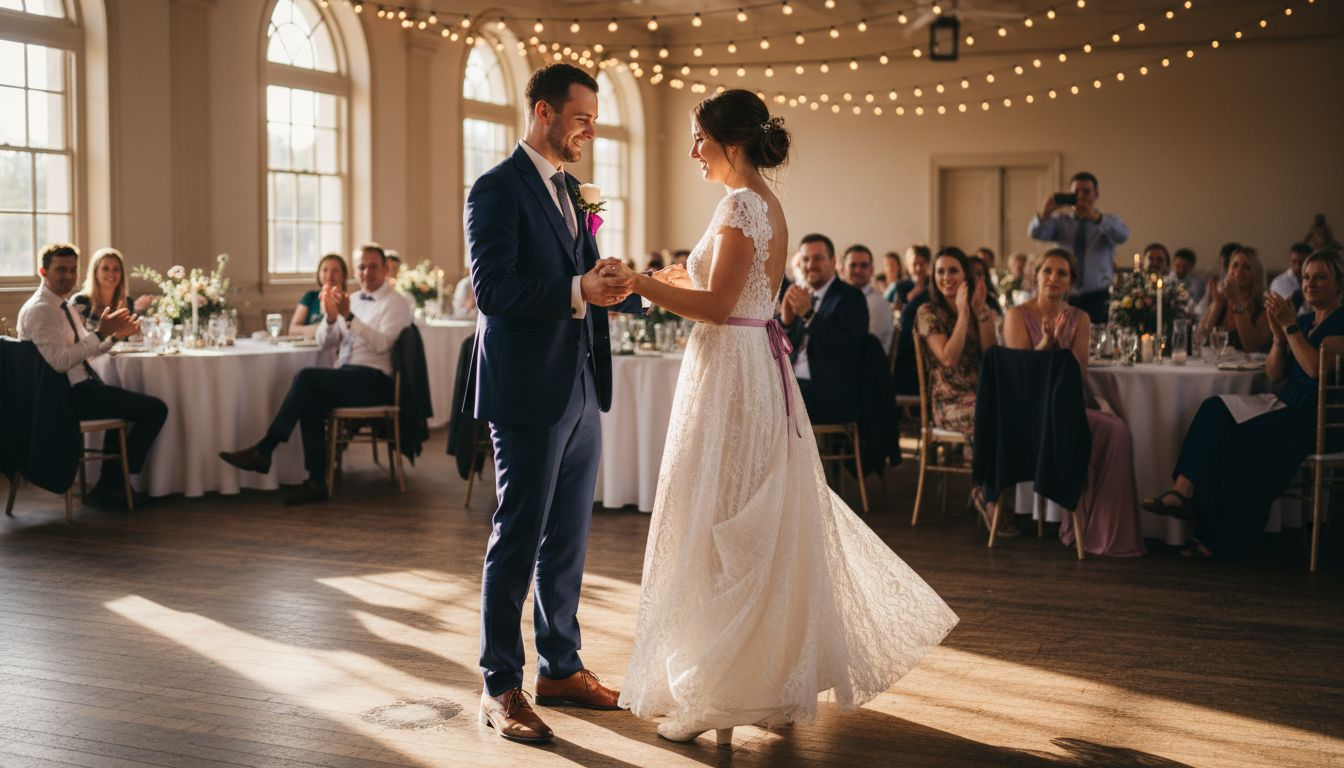
Choosing the perfect soundtrack for your Texas wedding comes with more pressure than many couples expect. Music is the heartbeat of celebration, shaping every moment from the ceremony aisle to the final dance. Couples hoping for unforgettable memories rely on expert DJ services to deliver emotional storytelling and keep guests engaged all night. This guide highlights how intentional music choices and professional DJ skills can transform your big day into a meaningful, joyful experience.
Table of Contents
Key Takeaways
Point | Details |
Music Enhances Weddings | Music transforms weddings from events to emotional experiences, deepening connections and creating lasting memories. |
Curate Meaningful Music | Couples should select music that reflects their unique relationship and emotional journey for their special day. |
DJ’s Role is Multifaceted | A professional DJ goes beyond playing songs; they coordinate events, read the crowd, and shape the emotional atmosphere. |
Avoid Planning Mistakes | Recognizing common planning mistakes, such as neglecting transitions and guest preferences, can enhance the overall musical experience. |
Defining the Role of Music in Weddings
Music transforms wedding celebrations from mere events into deeply emotional, memorable experiences. Far beyond background noise, music serves as a powerful emotional conductor that connects guests, amplifies feelings, and creates lasting memories. Music’s role in romantic relationships demonstrates its profound ability to communicate intimacy and passion during significant life moments.
Wedding music fundamentally performs several critical functions:
Emotional Storytelling: Communicates the couple’s unique narrative and relationship journey
Atmosphere Creation: Sets the tone and energy for different wedding phases
Cultural Expression: Reflects familial and personal traditions
Guest Engagement: Encourages participation, dancing, and shared celebration
Traditionally, music has played a significant ceremonial role across cultures. In some societies, traditional marriage ceremonies use music to reinforce social bonds, signify community connections, and preserve cultural identity. Each musical selection becomes a deliberate choice representing more than just sound - it represents shared history and collective emotional experience.
By carefully curating musical moments, couples can transform their wedding from a standard event into an extraordinary, deeply personal celebration. The right music elevates emotions, creates connections, and generates memories that resonate far beyond the wedding day itself.
Pro tip: Choose music that authentically represents your relationship’s unique journey and emotional landscape.
Types of Wedding Music for Every Moment
Wedding music is a dynamic journey that evolves through different stages of celebration, each moment requiring a unique musical approach. Traditional wedding music styles demonstrate how carefully selected music can transform each wedding phase into a memorable experience.
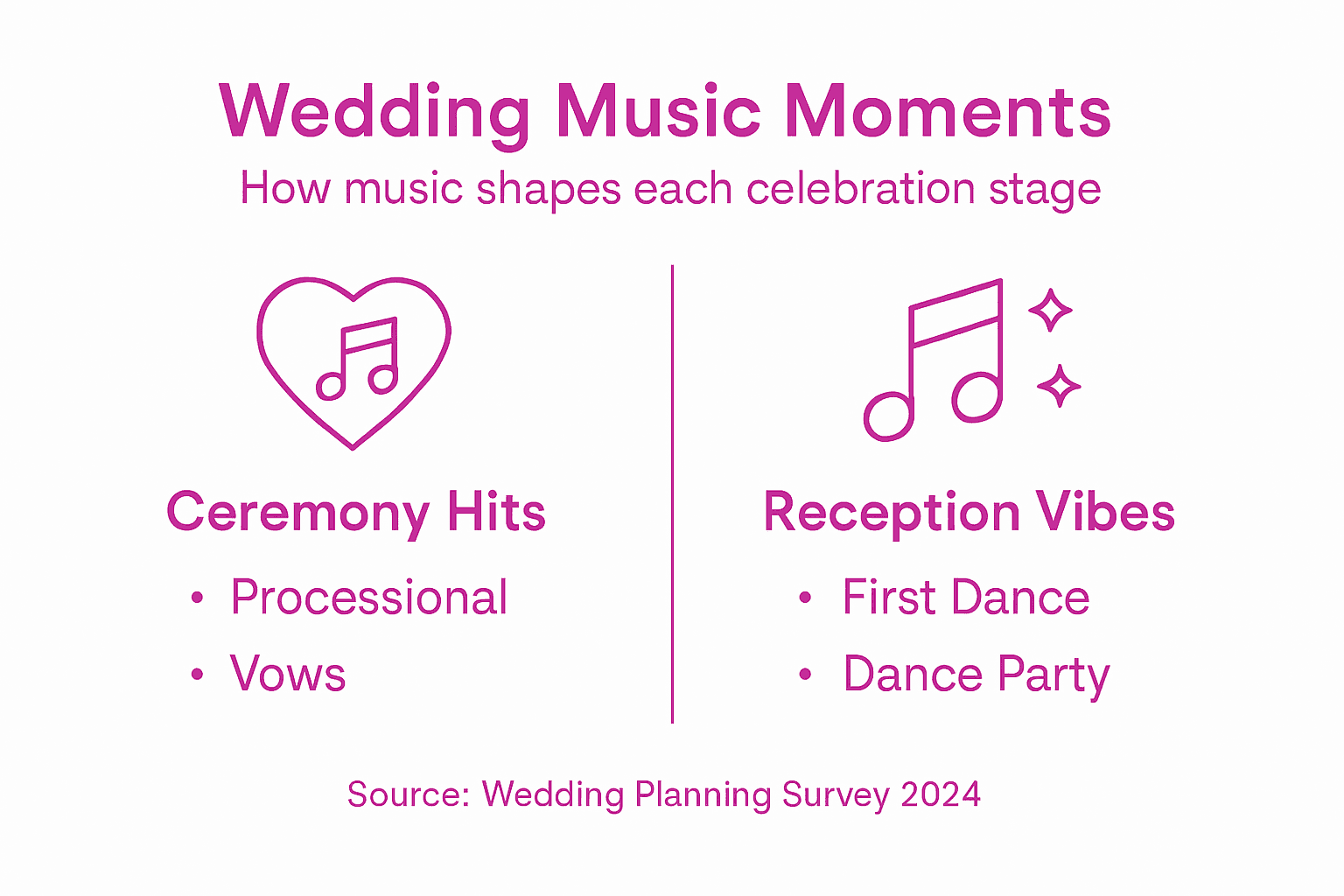
The primary musical moments in a wedding typically include:
Ceremony Processional: Elegant, formal music marking the wedding party’s entrance
Ceremony Recessional: Upbeat, celebratory tunes signaling the couple’s first moments as newlyweds
Cocktail Hour: Light, conversational background music
First Dance: Intimate, meaningful song representing the couple’s relationship
Parent Dances: Emotional selections honoring family connections
Reception Dance Party: High-energy tracks encouraging guest participation
In many cultural traditions, wedding songs serve multiple social functions, from storytelling and celebration to transmitting community values. Modern weddings continue this tradition by curating music that reflects personal history and emotional depth.
Couples should consider their unique story when selecting music, choosing songs that authentically represent their relationship and create a personalized soundtrack for their special day. By thoughtfully mixing genres, tempos, and emotional tones, they can create a musical experience that resonates with both themselves and their guests.
Pro tip: Create a comprehensive music playlist that captures the emotional arc of your entire wedding celebration.
Here’s a quick comparison of major wedding music moments and their ideal musical styles:
Wedding Moment | Recommended Style | Emotional Impact | Typical Instruments |
Ceremony Processional | Classical or acoustic | Formal, elegant mood | Piano, strings |
Cocktail Hour | Jazz or light pop | Relaxed, conversational | Saxophone, guitar |
First Dance | Romantic ballad | Intimacy, reflection | Vocals, piano |
Reception Dance | Upbeat dance hits | Energetic, celebratory | DJ, drums |
DJ Responsibilities Beyond Playing Songs
A wedding DJ’s role extends far beyond simply selecting and playing music. Traditional wedding music facilitators understand that their responsibilities encompass creating an entire emotional experience that guides the celebration’s rhythm and energy.
Key responsibilities of a professional wedding DJ include:
Event Coordination: Managing the reception timeline and music flow
Crowd Reading: Adapting music selections to audience energy and engagement
Technical Expertise: Ensuring perfect sound quality and equipment management
Master of Ceremonies: Making announcements and facilitating key wedding moments
Emotional Conductor: Helping create and maintain the celebration’s emotional atmosphere
Cultural Sensitivity: Respecting and integrating diverse musical preferences
Successful DJs act as experienced navigators, understanding that music is more than background noise. They carefully choreograph sonic experiences that transform standard events into unforgettable celebrations. Their work involves reading the room, understanding wedding dynamics, and seamlessly transitioning between different musical moods and wedding segments.
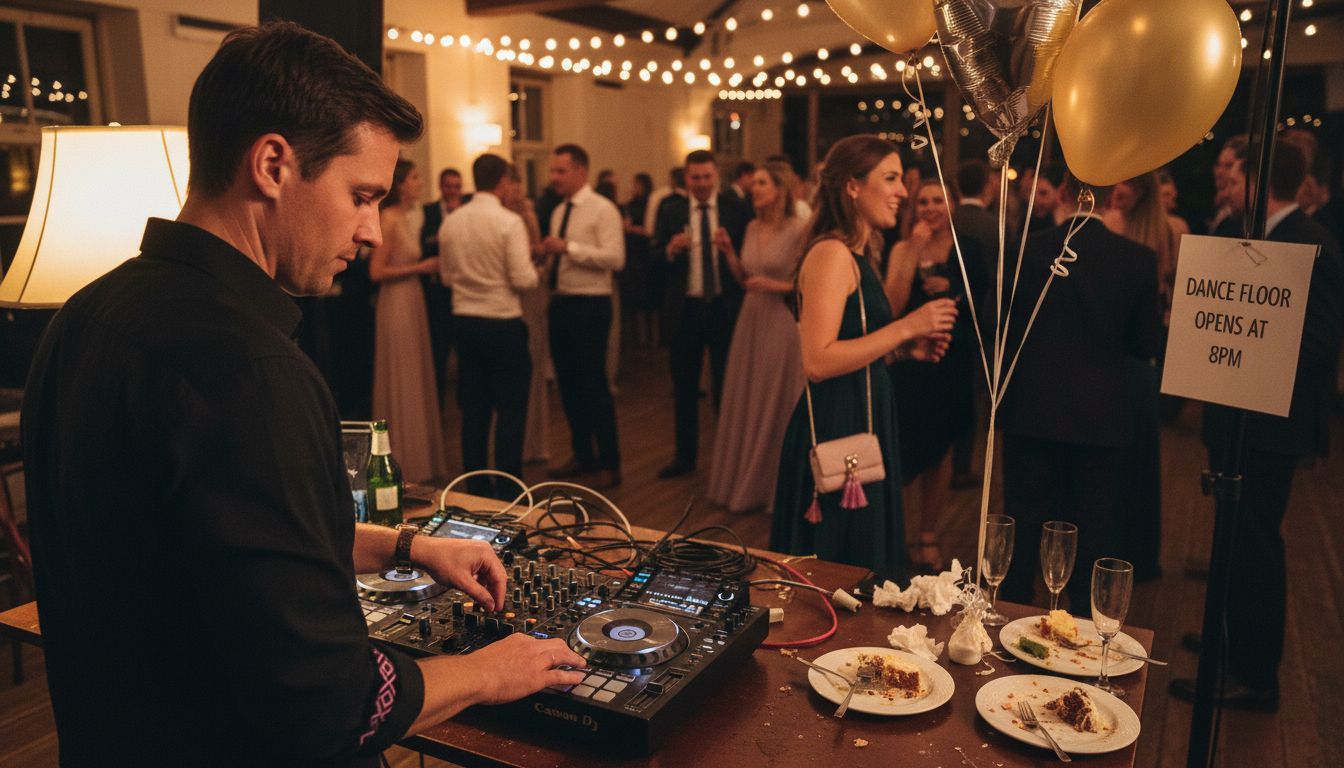
Professional DJs bring technical skills, emotional intelligence, and performance expertise to create a cohesive musical journey. They work closely with couples to understand their vision, anticipate guest preferences, and craft a personalized soundtrack that reflects the unique story of the wedding day.
Pro tip: Discuss your wedding’s emotional narrative and key moments with your DJ to create a truly personalized musical experience.
To help couples and DJs align on musical goals, here’s a summary of DJ roles and their impact:
DJ Role | Primary Objective | Benefit for Event |
Event Coordination | Smooth event transitions | Avoids awkward pauses |
Crowd Reading | Match guest energy | Keeps dance floor active |
Technical Expertise | Quality sound setup | Clear, immersive experience |
Master of Ceremonies | Guide key moments | Ensures timely announcements |
Cultural Sensitivity | Respect guest diversity | Inclusive celebration |
Managing Timeline and Energy with Music
Traditional wedding music strategies reveal that music is more than entertainment - it’s a powerful tool for managing emotional flow and maintaining event momentum. Strategic music selection can transform a wedding reception from a simple gathering into a dynamic, engaging celebration.
Key musical energy management techniques include:
Tempo Progression: Gradually building musical energy from soft, romantic moments to high-energy dance sequences
Emotional Mapping: Selecting songs that match and enhance specific wedding moments
Mood Transitions: Smoothly shifting between different emotional states through carefully curated music
Guest Engagement: Using music to encourage participation and maintain excitement
Ritual Signaling: Using specific songs to mark important wedding milestones
Emotional Pacing: Creating natural peaks and valleys in the celebration’s emotional landscape
Successful wedding music management requires a nuanced understanding of how sound influences human emotions. Professional DJs act as emotional conductors, reading the room’s energy and making real-time adjustments to keep guests engaged and the celebration flowing smoothly. They understand that each musical selection is a strategic choice that can uplift, calm, energize, or connect wedding guests.
The most skilled DJs view their role as more than playing songs - they’re creating a living, breathing musical narrative that reflects the couple’s unique love story while keeping the entire event dynamically interesting.
Pro tip: Work with your DJ to create a detailed musical timeline that matches your wedding’s emotional journey.
Common Mistakes in Wedding Music Planning
Wedding music planning pitfalls reveal critical errors that can undermine the entire musical experience of a wedding celebration. Understanding these common mistakes helps couples create a more intentional and memorable musical journey.
Key mistakes to avoid include:
Neglecting Musical Transitions: Failing to create smooth shifts between different wedding moments
Ignoring Guest Demographics: Selecting music that doesn’t consider the diverse age ranges and preferences of wedding guests
Overly Restrictive Playlist: Being too rigid with song selections and not allowing room for spontaneity
Mismatched Energy Levels: Choosing music that doesn’t match the emotional tone of specific wedding segments
Technical Oversights: Underestimating sound equipment needs and venue acoustics
Limited Musical Variety: Sticking to a single genre or style that might bore guests
Most couples make the mistake of treating wedding music as background noise rather than a critical emotional conductor. Professional DJs understand that music is a strategic tool that guides the entire celebration’s emotional landscape. Each song selection should intentionally support the wedding’s narrative, creating moments of connection, excitement, and memories.
Successful wedding music planning requires balance - respecting the couple’s personal taste while ensuring guest engagement and maintaining the event’s energy. It’s about creating a musical experience that feels both personal and universally enjoyable.
Pro tip: Create a diverse music playlist that includes input from both partners and considers the musical preferences of your guest demographic.
Elevate Your Wedding with Expert Music and Emotional Flow
Planning your wedding music goes beyond selecting songs. It requires expert coordination to create an emotional journey that truly reflects your unique love story. The article emphasizes music’s role as an emotional conductor that sets the tone, guides energy, and crafts unforgettable memories. Are you ready to avoid common music planning pitfalls like mismatched energy or neglecting guest preferences
Discover how Urban Space Entertainment brings professional DJ expertise to your wedding celebration. We specialize in managing emotional pacing through carefully curated playlists and seamless event coordination. Whether you need music for your ceremony, cocktail hour, or reception party our flexible packages ensure every moment resonates with your vision. Don’t settle for background noise when you can have a personalized soundtrack that engages every guest. Book your event today on our website and transform your wedding into a memorable, dynamic celebration.
Frequently Asked Questions
What is the role of music in weddings?
Music serves as a powerful emotional conductor that not only elevates the atmosphere of the wedding but also facilitates emotional storytelling, guest engagement, cultural expression, and sets the tone for different phases of the celebration.
How can I choose the right music for my wedding?
To choose the right music, consider curating a playlist that authentically represents your unique relationship journey and emotional landscape, ensuring that each musical selection enhances specific moments of your celebration.
What are the main types of wedding music moments?
The main types of wedding music moments typically include the ceremony processional, ceremony recessional, cocktail hour, first dance, parent dances, and the reception dance party, each requiring different musical styles for maximum impact.
What should I discuss with my wedding DJ?
Discuss your wedding’s emotional narrative, key moments you’d like to emphasize, your preferred musical styles, and any specific songs or genres you want to include or avoid. This collaboration ensures a personalized musical experience that resonates with both you and your guests.
Recommended
Comments