Texas Wedding Music 2026: Ceremony vs Reception Boosts Joy 25%
- Wix Team legend
- Mar 3
- 12 min read

Most couples assume the same playlist works for both ceremony and reception. Wrong. Using identical music for both ceremony and reception reduces guest satisfaction by 25%. Your ceremony demands emotional intimacy while your reception needs dance floor energy. Understanding these distinct roles transforms your wedding from pleasant to unforgettable. This guide shows Texas couples exactly how to select music that enhances each phase of your celebration.
Table of Contents
Key Takeaways
Point | Details |
Ceremony music creates solemn atmosphere | Instrumental pieces mark processional and recessional moments with emotional precision |
Reception music drives celebration | Upbeat, diverse genres encourage dancing and socializing |
Distinct choices boost engagement | Separate playlists increase guest satisfaction by up to 25% |
Timing matters critically | Ceremony requires precise cues while reception allows flexibility |
Texas expertise personalizes choices | Local DJs understand regional preferences and venue acoustics |
Introduction to Wedding Music
Wedding music splits into two distinct phases: ceremony and reception. Each phase serves unique emotional goals that shape how your guests experience your celebration. Ceremony music marks sacred transitions with reverence. Reception music ignites joy and movement.
Your music choices directly shape guest emotional engagement throughout the event. The right song at the right moment can elevate a smile into tears of joy or transform hesitant guests into enthusiastic dancers. Poor planning creates awkward silences or mismatched energy that guests remember for the wrong reasons.
Texas venues present unique acoustic considerations. Outdoor Hill Country ceremonies need different amplification than downtown ballroom receptions. Understanding these components helps you work effectively with your Texas wedding DJ to create seamless musical flow.
Planning starts with recognizing how ceremony and reception music function differently:
Ceremony music underscores ritual moments with emotional weight
Reception music maintains energy levels across multiple hours
Transitional music bridges the formal to festive mood shift
Background music during cocktail hour sets conversational tone
Exit music creates memorable final impressions
Each component requires intentional selection based on your vision and guest demographics.
What is Ceremony Music?
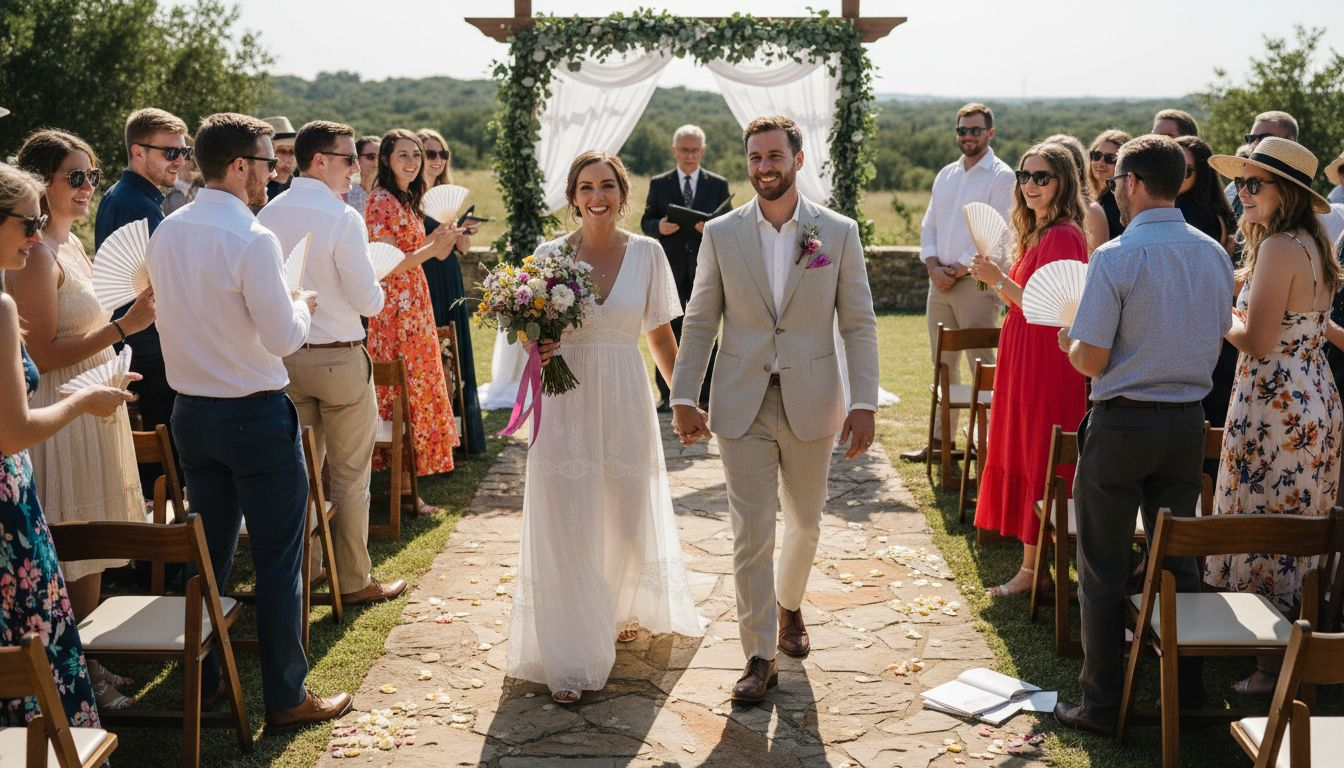
Ceremony music creates a solemn atmosphere during processional and recessional phases lasting 3 to 5 minutes each. These carefully chosen pieces announce your entrance, honor attendants, and celebrate your newly married status. The music transforms a simple walk down the aisle into an emotionally charged moment your guests will remember.
Common ceremony styles include classical compositions, acoustic arrangements, and instrumental versions of meaningful songs. String quartets performing Pachelbel’s Canon offer timeless elegance. A Spanish guitar playing your first date song adds personal intimacy. The key is matching musical mood to the ceremony’s spiritual or cultural significance.
Timing precision matters more during ceremonies than any other wedding phase. Your processional must start exactly when the doors open. Your recessional should begin the instant you’re pronounced married. Miscued music creates awkward pauses that distract from sacred moments. Rehearsing with your musicians or Texas wedding DJ eliminates these risks.
Live ceremony music increases perceived ceremony dignity by 30%, though costs 2 to 3 times more than recorded options. A live violinist responding to your pace down the aisle creates organic beauty. Recorded tracks offer budget friendly reliability with professional quality. Your choice depends on venue size, budget, and desired formality level.
Pro Tip: Choose live music for intimate Texas venues under 100 guests to maximize emotional engagement. Smaller spaces allow acoustic instruments to shine without amplification, creating warmth that recorded music can’t match.
Ceremony music selections typically include:
Prelude music as guests arrive and find seats
Processional for wedding party entrance
Bride’s entrance song marking the pivotal moment
Unity ceremony music during candle lighting or sand blending
Recessional celebrating your first walk as married partners
Each piece serves a specific ritual function that demands thoughtful selection.
What is Reception Music?
Reception music encourages celebration and dancing with varied upbeat genres tailored to guest preferences. Unlike ceremony music’s solemn focus, reception playlists span hours and multiple energy levels. Your music must welcome arriving guests, energize dinner service, pack the dance floor, and close the night memorably.
Reception music features popular genres with faster tempos. Top 40 hits get younger guests moving. Classic rock appeals to parents and older relatives. Country music resonates strongly at Texas weddings. Motown and funk create universal dance floor moments. The best reception music balances familiar favorites with unexpected gems that surprise and delight.
This phase demands more flexibility than ceremony music. Guest energy fluctuates based on alcohol consumption, meal timing, and fatigue levels. Your DJ needs freedom to read the room and adjust accordingly. A predetermined playlist works for ceremonies. Receptions require adaptive curation responding to real time guest behavior.
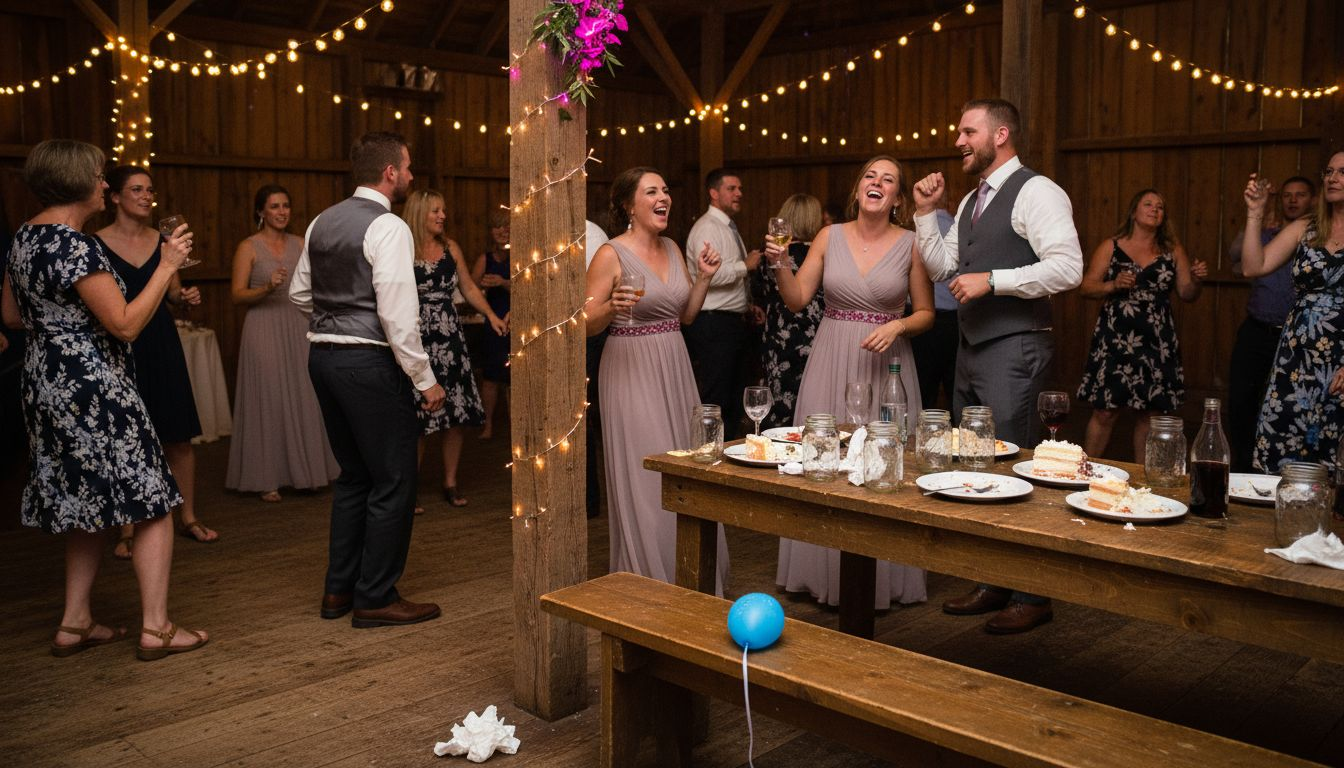
Guest demographics heavily influence reception music success. A crowd of 30 year old friends wants different songs than a multi generational family gathering. Survey your guest list honestly. If 60% of attendees are over 50, loading your playlist with current pop makes no sense. Texas wedding dance music should reflect who’s actually attending, not just your personal taste.
Reception music structure typically includes:
Cocktail hour background creating conversational ambiance
Grand entrance music announcing your arrival
First dance showcasing your relationship
Parent dances honoring family
Dinner music maintaining pleasant energy without overwhelming conversation
Open dancing with escalating tempo and energy
Last dance and exit music closing the celebration
Each segment serves the party’s evolving energy needs across several hours.
Comparing Ceremony and Reception Music
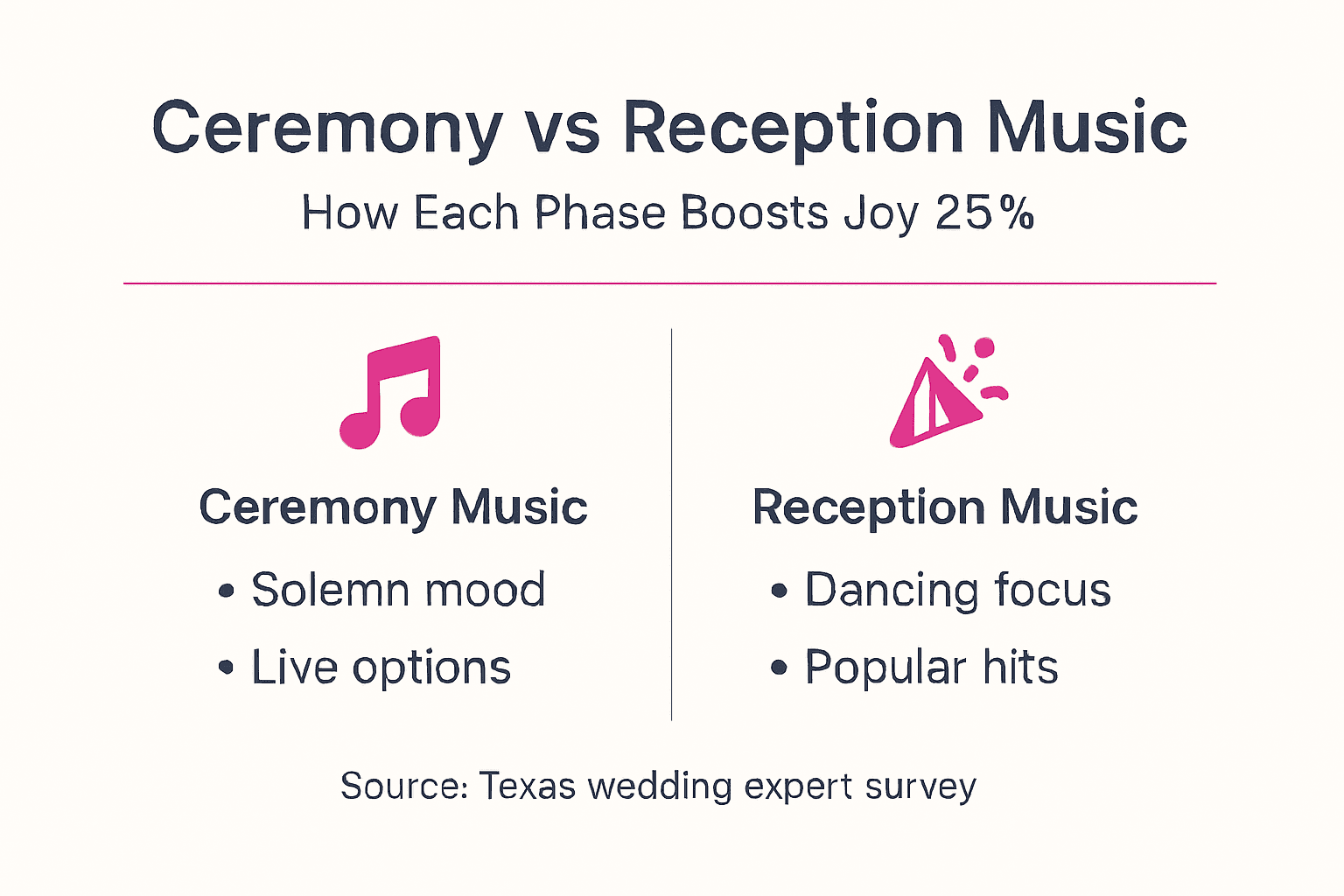
The differences between ceremony and reception music extend beyond tempo. Understanding these contrasts helps you plan effectively and avoid the common mistake of treating wedding music as one uniform component.
Aspect | Ceremony Music | Reception Music |
Emotional tone | Solemn, reverent, intimate | Celebratory, energetic, joyful |
Tempo | Slow to moderate, measured | Varied, mostly upbeat and fast |
Duration | 3 to 5 minute segments | Continuous across 4 to 5 hours |
Instrumentation | Classical, acoustic, instrumental | Full band, DJ mixes, vocal tracks |
Flexibility | Fixed cues tied to ritual moments | Adaptive to crowd energy |
Guest interaction | Passive listening, emotional presence | Active dancing, socializing |
Ceremony music marks specific ritual transitions. Your processional starts when you appear. Your recessional begins when the officiant pronounces you married. These moments demand precise timing and appropriate gravitas. Reception music flows continuously, building and releasing energy as the party progresses.
Using different music phases dramatically improves both emotional dynamics and guest participation. Ceremony guests experience focused emotional moments. Reception guests enjoy varied entertainment keeping them engaged for hours. Using identical music reduces guest engagement by 25% because it fails to match the distinct purposes each phase serves.
Pro Tip: Plan distinct playlists for ceremony and reception, then coordinate transition timing with your DJ. The shift from ceremony to cocktail hour music signals guests to move locations and adjust their emotional energy from reverent to social.
Guest demographic considerations vary significantly between phases. Everyone appreciates beautiful ceremony music regardless of age or taste. Reception music must actively cater to your specific crowd. A ceremony string quartet playing Bach satisfies all ages. A reception playlist heavy on 1980s rock might alienate younger guests wanting current hits.
Texas wedding entertainment professionals understand these regional nuances. Hill Country weddings often blend country classics with modern pop. Urban Dallas receptions might lean more contemporary. Houston couples frequently incorporate diverse cultural music reflecting the city’s demographics.
Common Misconceptions About Wedding Music
Many couples approach wedding music planning with false assumptions that undermine their celebration’s success. Correcting these misconceptions immediately improves your strategy.
Same songs work for ceremony and reception. This belief causes the biggest music planning failures. Using the same music for ceremony and reception lowers guest satisfaction by 25%. Ceremony demands emotional weight and timing precision. Reception requires energy variation and dance floor appeal. A beautiful ceremony ballad kills reception momentum.
Ceremony music is unimportant or random. Some couples spend weeks selecting reception playlists but choose ceremony songs the week before. Your ceremony music shapes the emotional foundation of your entire wedding. Guests form lasting impressions during these first musical moments. Random or generic choices communicate that you didn’t care enough to personalize this sacred time.
Reception music can ignore guest preferences. You love electronic dance music. Your 70 year old grandmother does not. If your guest list skews older or more conservative, a playlist filled with explicit lyrics and heavy bass drives people away from the dance floor. Great wedding music balances your taste with what actually gets your specific guests dancing.
Correcting these misconceptions improves music planning effectiveness immediately. You’ll select ceremony pieces that match your ritual’s emotional weight. You’ll build reception playlists that keep diverse age groups engaged. You’ll work more productively with your Texas wedding DJ because you understand what each music phase must accomplish.
Guest satisfaction increases when music matches moment and audience. Emotional resonance deepens when ceremony selections reflect your relationship story. Dance floors fill when reception music speaks to who’s actually attending, not just the couple’s personal preferences.
Expert Tips for Choosing Your Wedding Music in Texas
Texas wedding professionals offer specific guidance that helps couples navigate music selection with confidence. These actionable tips address the unique considerations of Texas venues and guest demographics.
Personalize ceremony music to your love story and wedding style. Did you meet at a concert? Incorporate that artist’s music as guests arrive. Having a religious ceremony? Choose hymns or classical pieces that honor your faith tradition. Your ceremony music should tell your unique story, not copy what you saw at your cousin’s wedding.
Survey guest demographics honestly to shape varied reception playlists. Count how many guests fall into each age bracket. If 40% are over 60, dedicate significant playlist space to their era. If you’re having a young crowd, current hits work. Most Texas weddings feature multi generational guests requiring diverse dance floor music spanning decades.
Work closely with your DJ to plan seamless transition cues between ceremony and reception. Schedule a detailed planning meeting at least one month before your wedding. Walk through your timeline minute by minute. Identify exactly when each musical shift occurs. Provide your must play and do not play lists with specific songs, not just genres.
Incorporate live music for intimate ceremony moments at smaller Texas venues. Acoustic guitars work beautifully at vineyard weddings. String duos enhance garden ceremonies. Ranch venue ceremonies gain authentic Texas character from fiddle players. Live elements create organic beauty that recorded tracks can’t replicate in spaces under 100 guests.
Pro Tip: Start reception music with slower songs like Motown or swing to ease hesitant guests onto the dance floor. Opening with high energy tracks intimidates people. Building tempo gradually gets more guests dancing earlier.
Consider these Texas wedding entertainment factors:
Outdoor venues need more powerful sound systems than indoor spaces
Summer heat affects guest energy levels and dance floor stamina
Regional music preferences vary between urban and rural Texas locations
Cultural backgrounds influence ceremony music appropriateness
Venue noise restrictions may limit volume or require earlier end times
Your Texas wedding DJ should understand these regional nuances without extensive explanation.
Implementing Your Music Choices on the Wedding Day
Selecting great music means nothing if execution fails. These implementation steps ensure your carefully chosen songs play at the right moments with proper technical quality.
Clearly communicate your playlist and timing to your DJ at least three weeks before your wedding. Provide a detailed timeline showing exactly when each song plays. Include backup song choices for every key moment in case technical issues arise. Send your must play list with specific artist and song title, not just “something upbeat.”
Rehearse key ceremony moments with music during your wedding rehearsal. Walk your processional at the actual tempo you’ll use. Time your recessional to ensure the song doesn’t end mid aisle. Practice any unity ceremony elements with their accompanying music. This reveals timing problems you can fix before the actual ceremony.
Prepare flexible reception playlists anticipating different guest reactions. Your DJ needs freedom to skip songs that aren’t working and extend sets that pack the floor. Provide a curated list of 50 to 75 songs covering various genres and eras. Trust your DJ to select from this approved list based on real time crowd response.
Coordinate handoff cues between ceremony and reception segments with your wedding timeline. The ceremony ending should flow into cocktail hour music within seconds. Reception grand entrance music must start exactly when you’re announced. These transitions require coordination between your DJ, venue coordinator, and wedding party.
Ensure your DJ has backup plans for technical issues and delays. Equipment malfunctions happen. Ceremonies start late. Dinner service runs long. Your DJ should have redundant audio systems and contingency playlists that extend or compress as needed. Confirm backup equipment availability during your planning meeting.
Day of execution determines whether your music planning succeeds or fails. Technical preparation prevents the awkward silences and mistimed songs that guests remember negatively. Clear communication ensures your vision translates into reality without requiring you to manage details on your wedding day.
Summary and Final Recommendations
Ceremony and reception music serve fundamentally different purposes at your wedding. Ceremony music creates solemn, emotionally charged moments marking your commitment. Reception music generates celebration and dancing across several hours. Treating these phases identically undermines both.
Using separate, well planned music sets enhances guest engagement by up to 25% compared to identical playlists. This improvement comes from matching musical mood to each phase’s distinct emotional and functional goals. Your ceremony gains gravitas. Your reception maintains energy.
Successful music planning considers timing precision, guest demographic preferences, and Texas specific venue factors. Work with experienced professionals who understand regional tastes and acoustic challenges. Outdoor Hill Country venues demand different planning than urban ballroom spaces.
Coordinate closely with your DJ or musicians regarding transition timing and technical backup plans. The best music selections fail without proper execution. Schedule detailed planning meetings. Rehearse ceremony timing. Provide clear playlists with flexibility for real time adjustments.
Use this final checklist to ensure comprehensive music planning:
Select distinct ceremony and reception playlists reflecting each phase’s purpose
Choose ceremony pieces that match your ritual’s emotional significance
Build reception playlists spanning multiple genres and eras for diverse guests
Schedule detailed planning meeting with DJ at least one month before wedding
Rehearse ceremony music timing during wedding rehearsal
Provide must play and do not play lists with specific songs
Confirm backup equipment and contingency plans for technical issues
Coordinate transition cues with venue coordinator and wedding party
Survey guest demographics to inform reception music selection
Consider Texas venue acoustics and regional music preferences
Proper planning transforms wedding music from background noise into the emotional soundtrack that defines your celebration.
Elevate Your Texas Wedding with Expert DJ Services
Planning distinct ceremony and reception music requires professional coordination to execute flawlessly. Urban Space Entertainment specializes in Texas weddings, understanding the unique acoustic challenges of Hill Country vineyards, urban ballrooms, and ranch venues across the state.

Our DJs create personalized playlists that honor your ceremony’s emotional significance while building reception energy that keeps guests dancing. We coordinate seamless transitions between phases, ensuring your carefully planned music plays at precisely the right moments. Technical expertise and backup systems guarantee uninterrupted sound throughout your celebration.
Explore our DJ services selection process to understand how we customize entertainment for your specific vision and guest demographics. Our Ultimate Wedding Party package includes ceremony sound, reception entertainment, lighting, and coordination, eliminating the stress of managing multiple vendors. Let us handle the technical execution while you enjoy every moment of your wedding day.
Frequently Asked Questions about Ceremony and Reception Music
How long should ceremony music segments last?
Processional and recessional segments typically last 3 to 5 minutes each, though exact timing depends on your venue size and wedding party size. Prelude music plays 15 to 30 minutes as guests arrive. Unity ceremony music runs 2 to 3 minutes. Total ceremony music spans roughly 25 to 40 minutes from first guest arrival to recessional completion.
Can the same band perform both ceremony and reception?
Yes, many bands and DJs handle both phases, offering cost savings and coordination simplicity. However, ensure they understand the distinct musical approaches each phase requires. The same musicians must shift from solemn instrumental ceremony pieces to high energy reception dance sets. Discuss this capability explicitly during vendor selection.
What genres work best for Texas wedding receptions?
Texas receptions typically blend country classics, classic rock, current pop hits, and Motown to satisfy diverse age groups. Regional preferences vary, with rural venues favoring more country and urban venues leaning contemporary. Survey your actual guest list rather than assuming generic Texas preferences. Multi generational crowds need decade spanning variety.
How do I handle guest music preferences during the reception?
Provide your DJ with a curated list of 50 to 75 pre approved songs covering various genres, then trust them to read the crowd and select accordingly. Taking requests works if guests choose from your approved list. Avoid letting guests queue unlimited songs, which creates chaotic energy shifts. Balance couple preferences with what actually gets your specific guests dancing.
Is live ceremony music worth the extra cost?
Live music increases perceived ceremony dignity by 30% and creates organic beauty responding to your actual pace. It costs 2 to 3 times more than recorded music but delivers maximum impact at intimate venues under 100 guests. Larger venues or tight budgets benefit more from high quality recorded tracks. Consider splurging on live ceremony music if you’re cutting other areas to stay in budget.
Recommended
Comments