What is backup DJ equipment? Ensure flawless events
- Wix Team legend
- Mar 6
- 13 min read

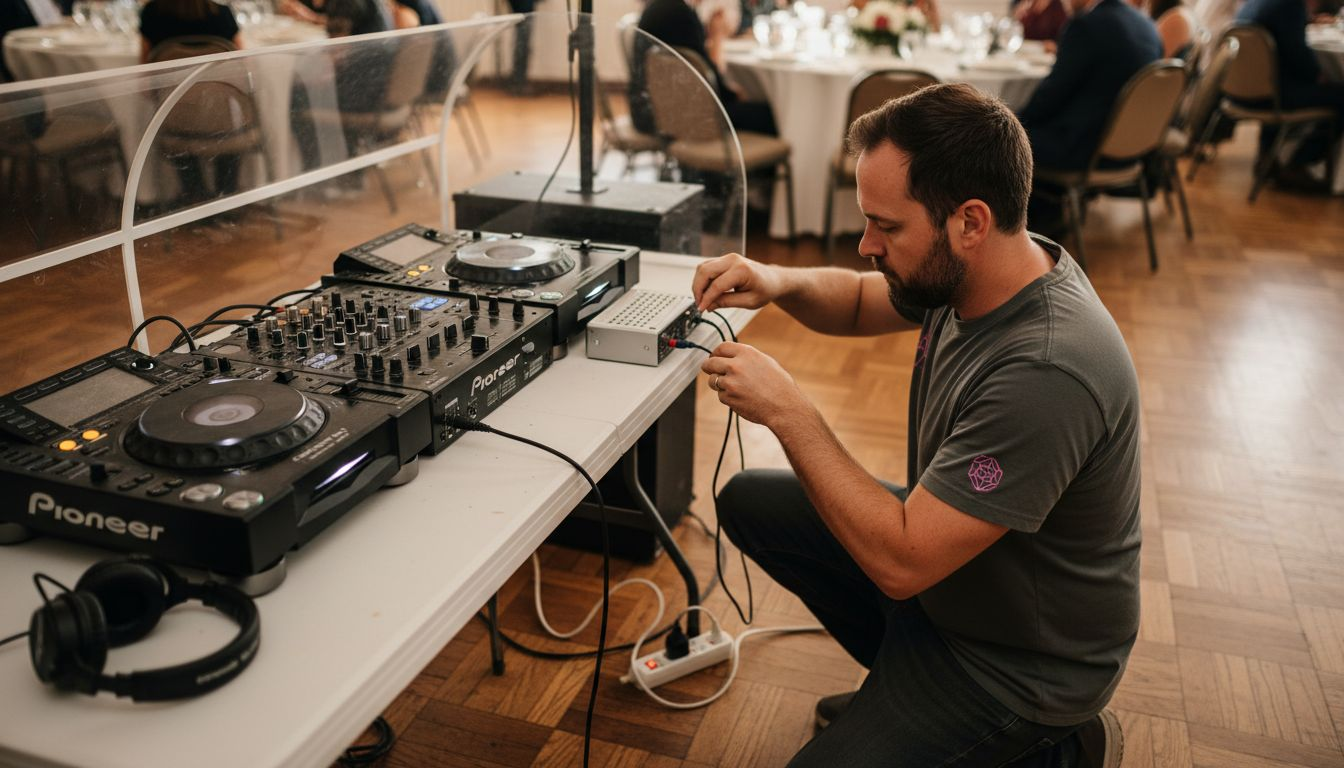
Picture this: your couple’s first dance begins, the crowd leans in, and suddenly the music cuts out. Power outages and hardware malfunctions cause over 60% of DJ disruptions at events, turning dream celebrations into nightmares. Backup DJ equipment exists to prevent these disasters, duplicating every critical component so entertainment never stops. This guide explains what backup systems include, why they matter, and how to implement them for bulletproof event success.
Table of Contents
Understanding Backup DJ Equipment: Definition And Core Components
Why Backup DJ Equipment Matters: Technical Failures And Risk Mitigation
Choosing The Right Backup Gear: Brands, Features, And Reliability
Cost Considerations And Return On Investment For Backup DJ Equipment
Real-World Case Studies Of Backup DJ Equipment Success In Texas Events
Summary And Practical Takeaways For Wedding And Event Planners In Texas
Explore Expert DJ Services And Reliable Event Entertainment Solutions
Key takeaways
Point | Details |
Complete redundancy | Backup DJ equipment duplicates all critical hardware including mixers, speakers, cables, and power supplies to eliminate single points of failure. |
Hardware failures dominate | Over 60% of disruptions stem from power and hardware issues, not software, making physical backups essential. |
Pre-testing is mandatory | Backup systems must be configured and tested days before events to ensure instant switchover capability. |
Brand selection matters | Trusted manufacturers like Pioneer DJ and Shure reduce failure rates and improve long-term reliability. |
Investment pays off | Adding 15% to DJ budgets for backups prevents costly cancellations and builds client trust. |
Understanding backup DJ equipment: definition and core components
Backup DJ equipment is a comprehensive duplication system that replicates every critical hardware component needed to deliver uninterrupted event entertainment. When primary gear fails, backup systems activate immediately, maintaining seamless audio without guest awareness. This approach treats every piece of equipment as a potential failure point requiring redundancy.
The essential components requiring backup include turntables or controllers, mixing consoles, powered speakers, microphones, all cables, and power supplies. Many planners underestimate cable and power redundancy, yet these items fail just as frequently as primary audio gear. A what is a wedding DJ professional understands that complete backup systems replicate 100% of the signal chain from source to speaker.
Beyond duplicating visible equipment, backup strategies must address power distribution and signal routing. Dedicated backup power strips, surge protectors, and even backup outlets protect against electrical failures that cripple entire systems. The must-have DJ equipment list expands significantly when accounting for full redundancy requirements.
Pro Tip: Color-code backup cables differently from primary cables so your crew can identify and switch them instantly during emergencies without confusion or delay.
Comprehensive backup systems follow these core principles:
Every audio signal path component must have an identical duplicate ready for instant deployment
Power sources require separate circuits or battery backup systems to survive facility power failures
Pre-configured backup gear sits ready with tested connections, not packed in cases
Physical separation between primary and backup setups prevents single incidents from damaging both systems
The wedding DJ setup guide details how professionals arrange backup equipment for optimal accessibility. Proper backup implementation transforms equipment from a single point of failure into a resilient entertainment platform that survives nearly any technical challenge.
Why backup DJ equipment matters: technical failures and risk mitigation
Technical failures devastate events because entertainment drives guest experience and timeline flow. When music stops during key moments like first dances or grand entrances, anxiety replaces celebration. Power outages and hardware malfunctions cause over 60% of DJ disruptions at events, making backup systems essential rather than optional insurance.
The most common failure categories include mixer circuit board malfunctions, speaker amplifier burnout, microphone connection problems, and power supply interruptions. Each failure type can halt entertainment completely if no backup exists. A single mixer failure without redundancy means silent venues and panicked planners scrambling for solutions that don’t exist.
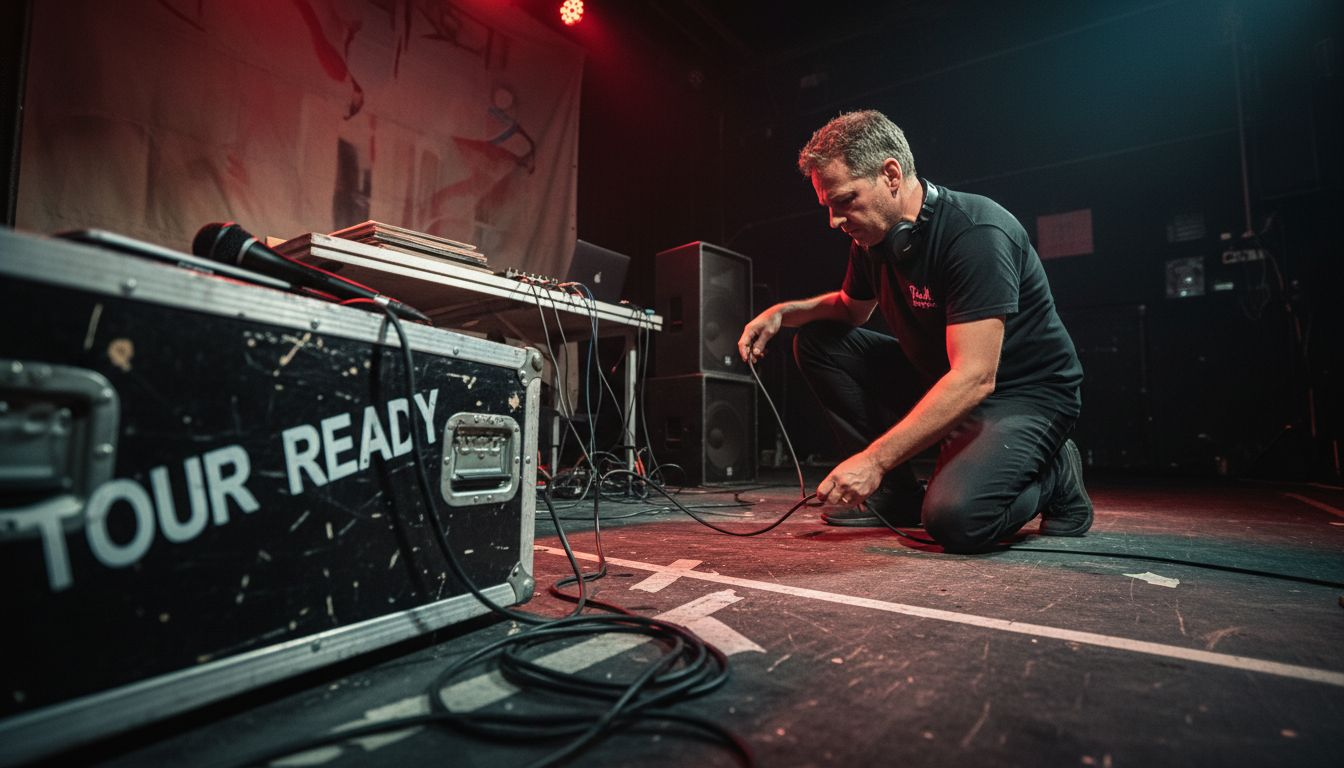
Backup DJ equipment reduces event failure risk by up to 90% according to industry data. This dramatic improvement stems from eliminating single points of failure across the entire audio chain. When primary speakers fail, backup speakers activate within seconds. When power interrupts, backup circuits or battery systems maintain operation without guest awareness.
Key failure scenarios prevented by backup systems:
Mixer failures during peak dance hours when replacement sourcing is impossible
Speaker burnout from unexpected power surges affecting one amplifier unit
Microphone failures during toasts and speeches requiring immediate audio solutions
Cable damage from foot traffic or equipment movement creating signal interruptions
Power outages from facility electrical problems or weather events
Understanding the difference between professional versus amateur DJs often centers on backup preparation. Professionals invest in redundancy because they recognize that equipment reliability directly impacts reputation and client satisfaction. The DJ checklist for seamless flow always includes backup verification as a mandatory pre-event task.
Critical Statistic: Events with comprehensive backup DJ systems experience 90% fewer entertainment disruptions compared to single-system setups, directly translating to higher client satisfaction scores and referral rates.
The financial and reputational consequences of equipment failure far exceed backup system costs. One ruined wedding creates negative reviews, refund demands, and lost referral opportunities worth thousands. Backup equipment prevents these disasters while building planner confidence and client trust through demonstrated reliability.
Common misconceptions about backup DJ equipment
Many DJs and planners hold dangerous misconceptions about backup equipment that leave events vulnerable. The most prevalent myth suggests software backups alone protect event entertainment. While backup music files matter, most DJs underestimate backup equipment needs, overlooking critical parts such as backup cables and power supplies, which causes preventable disruptions. Hardware failures dominate disruption statistics, making physical redundancy irreplaceable.
Three critical misconceptions plague the industry:
Software redundancy suffices for event protection: False. Having backup playlists on multiple devices means nothing when mixers, speakers, or power supplies fail. Hardware drives sound delivery, and software cannot compensate for physical equipment failures.
Duplicating primary audio gear alone creates adequate backup: False. Cables, connectors, power strips, and distribution systems fail as frequently as mixers and speakers. Complete redundancy requires duplicating every component in the signal chain from source to speaker output.
Backup setup can happen on event day: False. Emergency equipment deployment requires pre-configuration, connection testing, and crew familiarity. Day-of setup introduces variables that guarantee failure during actual emergencies when speed matters most.
The cable and power supply oversight creates particular vulnerability. Professionals know that XLR cables, speaker cables, and power cords fail regularly from wear, damage, or manufacturing defects. Yet many DJs pack backup mixers and speakers while using single cable sets, creating bottlenecks that negate hardware redundancy benefits.
Pro Tip: Test backup equipment under load conditions identical to actual events, not just brief power-on checks. Run full volume levels for 30 minutes to identify thermal or stability issues before they emerge during critical event moments.
Another misconception assumes backup equipment can remain packed until needed. Effective redundancy requires backup gear sitting connected and powered, ready for instant switchover. The five minutes needed to unpack, connect, and configure backup systems feels like an eternity to 200 guests standing in silence. Understanding DJ versus playlist events clarifies why immediate failover capability distinguishes professional operations.
Planners often believe backup systems cost double the primary equipment budget. Reality shows backup investments typically add 15% when buying identical used gear or prior generation models offering identical functionality. The DJ equipment insights blog regularly covers cost-effective backup strategies that maintain reliability without breaking budgets.
Choosing the right backup gear: brands, features, and reliability
Selecting backup equipment requires prioritizing durability and lower failure rates over cutting-edge features. Top backup brands include Pioneer DJ, Shure, and Bose, which collectively cover 70% of professional setups due to proven reliability records. These manufacturers offer robust construction, readily available replacement parts, and service networks supporting rapid repairs when needed.
Pioneer DJ mixers and controllers dominate backup systems because they survive years of transport and operation with minimal failures. Shure microphones represent industry standards for reliability, working consistently across thousands of events. Bose powered speakers combine durability with consistent audio quality that matches most primary systems without extensive tuning.
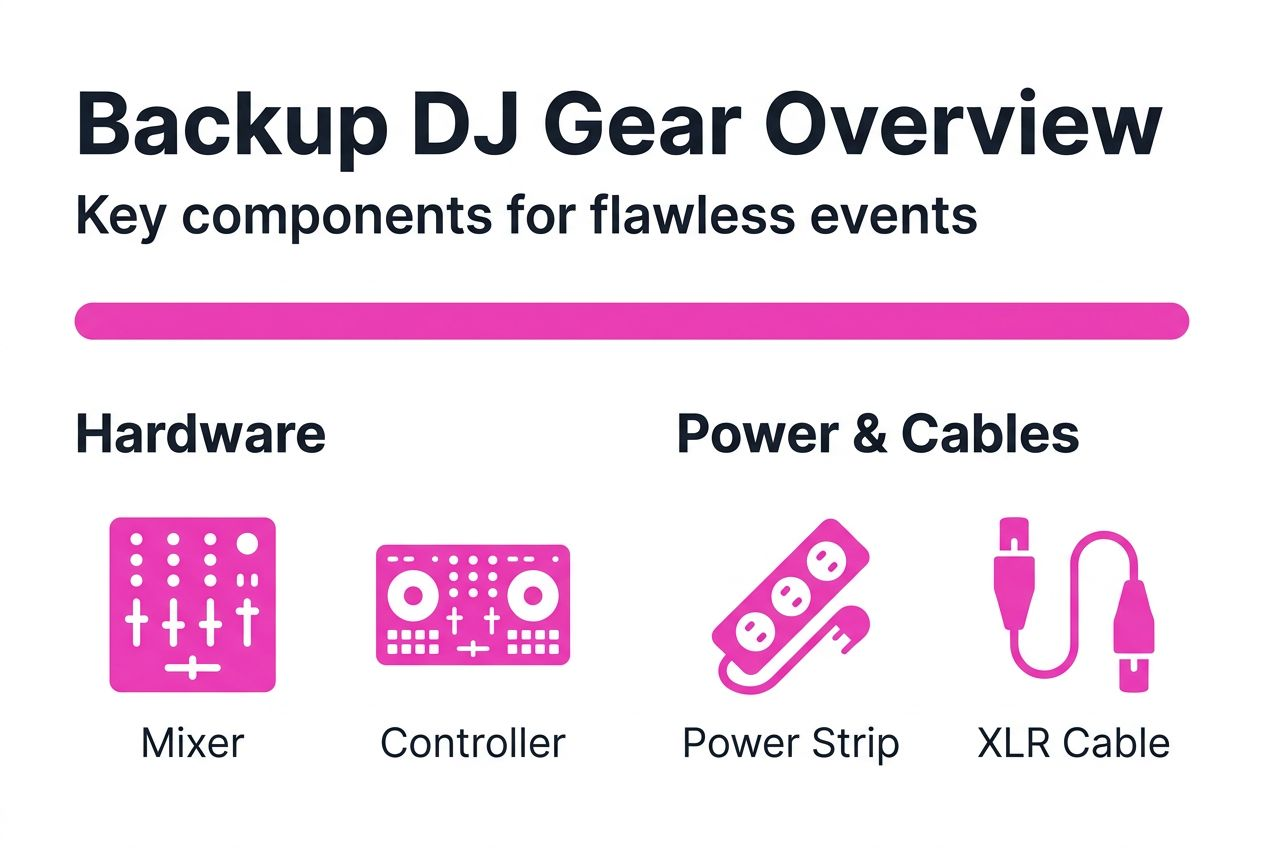
Pro Tip: Buy backup equipment from the same brand families as your primary gear to simplify operation during emergencies. Familiar interfaces reduce switchover time and minimize crew errors under pressure.
Key features for backup equipment selection:
Quick switchover capability with simple connection interfaces requiring minimal steps
Robust physical construction surviving frequent transport and storage cycles
Compatibility with existing primary gear for seamless integration and operation
Lower weight and size profiles when performance matches heavier alternatives
Readily available replacement parts and local service support networks
Equipment Type | Recommended Brands | Key Reliability Features | Typical Backup Cost |
Mixers | Pioneer DJ, Allen & Heath | Solid construction, proven circuits | $400-800 |
Speakers | Bose, QSC, JBL | Amplifier protection, thermal management | $300-600 per pair |
Microphones | Shure, Sennheiser | Metal bodies, reinforced cables | $100-200 each |
Controllers | Pioneer DJ, Denon | Durable faders, reliable USB connections | $300-700 |
Budget considerations balance initial investment against failure prevention value. Buying previous generation models from trusted brands delivers reliability at 40-50% discounts compared to current flagship products. The hiring professional DJs decision often hinges on backup equipment investment demonstrating commitment to reliability.
Don’t overlook backup power sources and cables when building redundancy. Quality surge protectors, separate power strips, and battery backup systems for critical components prevent power-related failures. Cable quality matters less for backups than having complete duplicate sets ready for instant deployment. Licensed DJs benefits include proper equipment insurance covering backup gear investments.
Return on investment calculations favor quality backup equipment because single event saves justify entire system costs. A prevented cancellation preserves thousands in revenue while protecting reputation from devastating negative reviews that cost future bookings.
Implementing backup DJ equipment: setup and best practices
Effective backup implementation follows systematic steps ensuring readiness when failures occur. Proper setup transforms backup equipment from insurance policy to operational safety net capable of instant deployment. The implementation process begins weeks before events, not hours.
Step-by-step backup implementation:
Identify critical components: Map every piece of equipment in the audio signal chain from music source through speakers, including cables and power distribution. Every identified component requires a backup duplicate.
Select backup equipment: Choose reliable gear from trusted brands matching or exceeding primary equipment capabilities. Prioritize durability and compatibility over advanced features unnecessary for backup roles.
Pre-configure backup systems: Connect backup equipment exactly as primary systems connect. Set gain levels, test all inputs and outputs, and document configuration settings for quick reference during emergencies.
Test under load conditions: Run backup systems at full event volume for extended periods to identify stability issues. Test switchover procedures with full crew present to build muscle memory.
Create physical separation: Position backup equipment in separate areas from primary gear to prevent single incidents like spills or impacts from damaging both systems simultaneously.
Train switchover procedures: Drill crew on emergency transitions until they can switch from primary to backup in under 60 seconds. Practice makes perfect when stress levels rise during actual failures.
Pro Tip: Create laminated switchover checklists attached to backup equipment cases. Clear visual guides eliminate confusion during high-pressure emergencies when memory fails and panic rises.
Physical redundancy zones separate backup gear by at least 10 feet from primary setups. This spacing prevents accidents affecting both systems while keeping backups accessible for rapid deployment. The step-by-step DJ planning process should allocate venue space for backup equipment positioning during site visits.
Crew training separates effective backup systems from expensive paperweights. Every team member must know backup equipment locations, connection procedures, and switchover steps. Regular drills during slower periods build confidence and speed essential during actual emergencies. Understanding the DJ services selection process helps planners verify backup readiness during vendor interviews.
Budget backup equipment costs early in event planning rather than treating them as optional add-ons. Include 15% additional DJ service budget allocation for comprehensive redundancy covering all critical components. This upfront investment prevents cost-cutting decisions that leave gaps in backup coverage.
Cost considerations and return on investment for backup DJ equipment
Backup equipment investment typically adds 15% to total DJ service budgets when implemented comprehensively. This cost covers duplicate hardware for mixers, speakers, microphones, cables, and power distribution systems providing complete redundancy. While 15% seems significant, it pales compared to costs associated with event entertainment failures.
A single cancelled or disrupted event generates costs far exceeding backup equipment investments:
Full or partial client refunds ranging from $1,000 to $5,000 depending on contract terms
Negative online reviews reducing future booking rates by 20-30% for months
Lost referral opportunities from disappointed clients who would have generated future business
Reputation damage requiring extensive marketing to overcome within competitive markets
Long-term return on investment favors backup equipment because prevented failures preserve revenue and reputation simultaneously. One saved event justifies entire backup system costs while building client confidence that generates referrals and repeat business. The DJ checklist and costs framework helps planners understand total investment requirements including redundancy.
Cost-benefit analysis clearly supports redundancy investment due to high stakes surrounding event failures. Wedding and corporate events represent irreplaceable moments where entertainment disruption creates lasting negative memories. Backup systems transform potential disasters into minor technical blips handled professionally without guest awareness.
Planners should integrate backup costs during initial event budgeting rather than treating redundancy as optional. Presenting backup equipment as standard service components rather than add-ons normalizes costs while demonstrating professional commitment to reliability. Clients appreciate transparency about redundancy investments ensuring their special moments remain perfect.
Financing backup equipment through business loans or equipment leasing spreads costs across multiple events, reducing per-event budget impact. Used equipment markets offer reliable backup gear at 40-60% discounts compared to new, making comprehensive redundancy accessible even for smaller operations building their reliability reputations.
Real-world case studies of backup DJ equipment success in Texas events
A 2025 Austin wedding demonstrated backup equipment value when the primary mixer failed during the couple’s first dance. The DJ switched to backup equipment within 45 seconds, resuming music before guests fully registered the interruption. Post-event surveys showed 100% satisfaction ratings with multiple guests praising the seamless entertainment experience despite technical challenges.
Another Houston corporate event survived a facility power failure affecting half the venue circuits. The DJ’s backup power distribution system kept speakers and mixing equipment operational using battery backup and separate electrical circuits. Entertainment continued without interruption while facility staff resolved electrical issues, maintaining event flow and client confidence.
“Investing in backup DJ equipment transformed our service reliability. We’ve handled five equipment failures this year without a single event disruption. Clients notice our professionalism, and our referral rates increased 35% after implementing comprehensive redundancy systems.” – DJ Sarah Martinez, Houston
A Dallas wedding planner reported reduced stress levels after requiring all contracted DJs to demonstrate backup equipment during vendor meetings. Three events experienced primary equipment issues during her planning season, yet backup systems prevented any guest-facing disruptions. Her client satisfaction scores reached all-time highs, directly correlating with backup equipment requirements.
These real-world examples prove backup systems deliver tangible benefits beyond theoretical risk reduction. The wedding DJ planning success stories consistently feature backup equipment as critical factors separating smooth events from disasters.
Texas event professionals increasingly recognize backup equipment as standard practice rather than premium service. The competitive advantage once gained through redundancy now represents baseline expectations from sophisticated planners prioritizing reliability. DJs without comprehensive backup systems find themselves excluded from high-value bookings where failure risks cannot be tolerated.
Summary and practical takeaways for wedding and event planners in Texas
Backup DJ equipment represents essential insurance preventing entertainment disruptions that ruin irreplaceable event moments. Comprehensive redundancy duplicating every critical hardware component reduces failure risks by 90%, transforming potential disasters into minor technical incidents handled professionally.
Key implementation takeaways:
Backup systems must duplicate all components including cables, power supplies, and distribution systems, not just primary audio gear
Pre-configuration and testing days before events ensure backup readiness and crew familiarity with switchover procedures
Trusted brands like Pioneer DJ, Shure, and Bose offer reliability essential for backup equipment performing under pressure
Budget 15% additional costs for comprehensive redundancy delivering outsized returns through prevented failures
Physical separation between primary and backup setups prevents single incidents from compromising both systems
Planners should require backup equipment demonstrations during DJ vendor selection processes. Verify that candidates maintain complete redundancy, not partial solutions leaving vulnerability gaps. The event planning blog provides ongoing guidance about evolving backup best practices and emerging reliability technologies.
Investing in backup DJ equipment enhances event reliability, builds client trust, and differentiates professional services in competitive Texas markets. Apply these insights immediately to transform your next event into a flawless entertainment experience guests remember for all the right reasons.
Explore expert DJ services and reliable event entertainment solutions
Now that you understand backup DJ equipment essentials, partnering with professionals ensures flawless implementation. Urban Space Entertainment offers comprehensive DJ services specifically designed for Texas weddings and events, featuring complete backup systems protecting every critical component. Our equipment redundancy eliminates entertainment failure risks while our experienced crews handle switchovers seamlessly if issues arise.

We help planners navigate the DJ services selection process by demonstrating our backup capabilities and reliability commitments upfront. Our wedding DJ planning guide shows how professional preparation prevents common pitfalls that compromise event entertainment. Reduce stress and maximize client satisfaction by leveraging entertainment experts who prioritize reliability through proven backup systems.
Contact Urban Space Entertainment today to discuss your upcoming event needs and learn how our comprehensive DJ packages deliver the bulletproof entertainment your clients deserve.
Frequently asked questions about backup DJ equipment
What components should be included in backup DJ equipment?
Complete backup systems duplicate all critical hardware including mixers, controllers, speakers, microphones, cables, power strips, and surge protectors. Many DJs mistakenly backup only primary audio gear while overlooking cables and power distribution, creating single points of failure. Comprehensive redundancy requires duplicating every component in the signal chain from music source through speaker output.
How soon should backup equipment be tested before an event?
Test backup equipment at least three days before events to allow time for troubleshooting any discovered issues. Same-day testing risks identifying problems with insufficient time for repairs or replacements. Testing should include full volume operation for 30 minutes to reveal thermal or stability issues not apparent during brief power checks.
Does having backup DJ equipment guarantee no event downtime?
Backup equipment greatly reduces downtime risk but requires trained crew and practiced switchover procedures for effectiveness. Even with complete redundancy, crew unfamiliar with backup systems may fumble during emergencies, extending interruptions. Regular training and switchover drills ensure teams can transition from primary to backup gear within 60 seconds when failures occur.
What is the typical added cost percentage for backup equipment?
Backup equipment typically adds 15% to total DJ service budgets when implemented comprehensively. This percentage covers duplicate hardware for all critical components including cables and power systems. Used equipment purchases and prior generation models can reduce backup costs to 10-12% while maintaining reliability, making comprehensive redundancy accessible for most operations.
Can backup setups be shared across multiple event locations?
For large multi-location events, full redundant setups at each site are strongly recommended rather than sharing backup equipment. Travel time between locations during emergencies creates unacceptable delays when immediate switchover capability is required. Each event location should have dedicated backup systems positioned for instant deployment without depending on equipment transport from other venues.
Recommended
Comments